
Last updated November 22, 2026
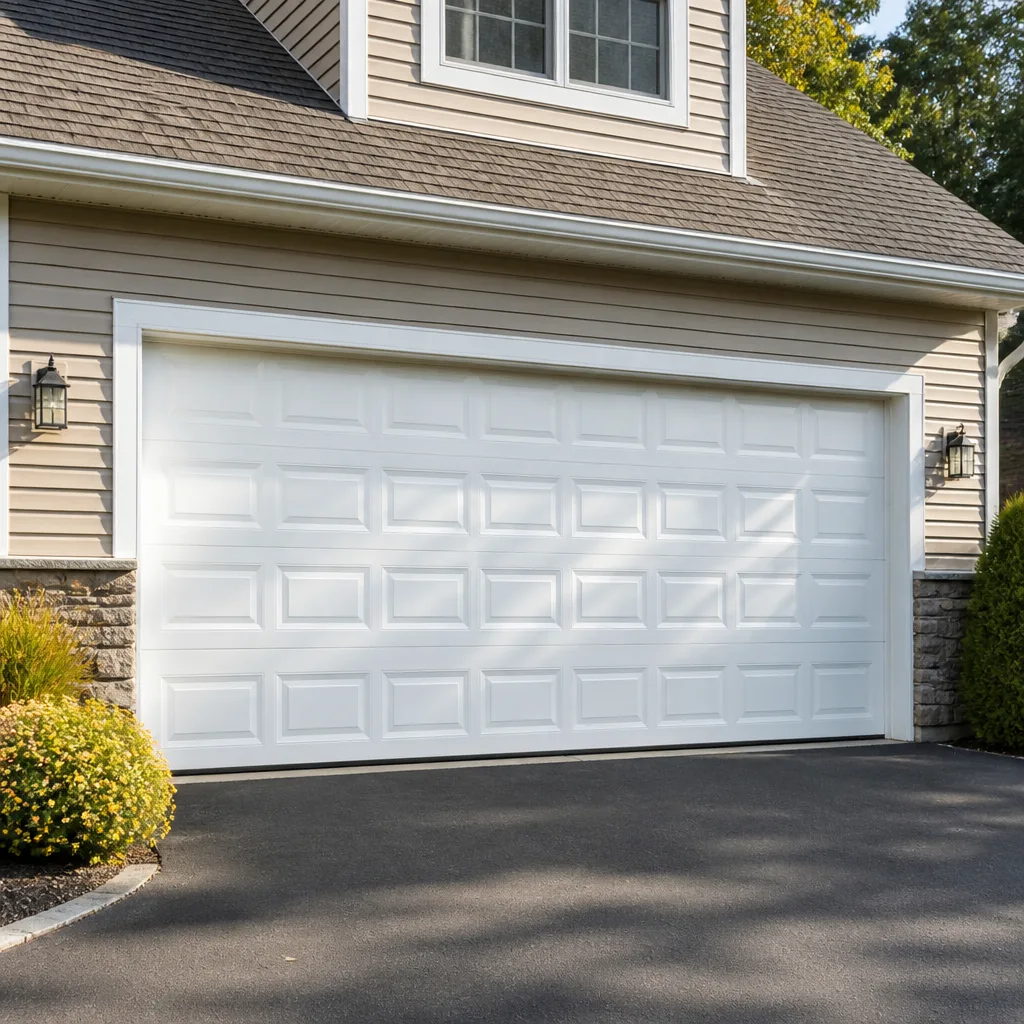 Raised-panel steel
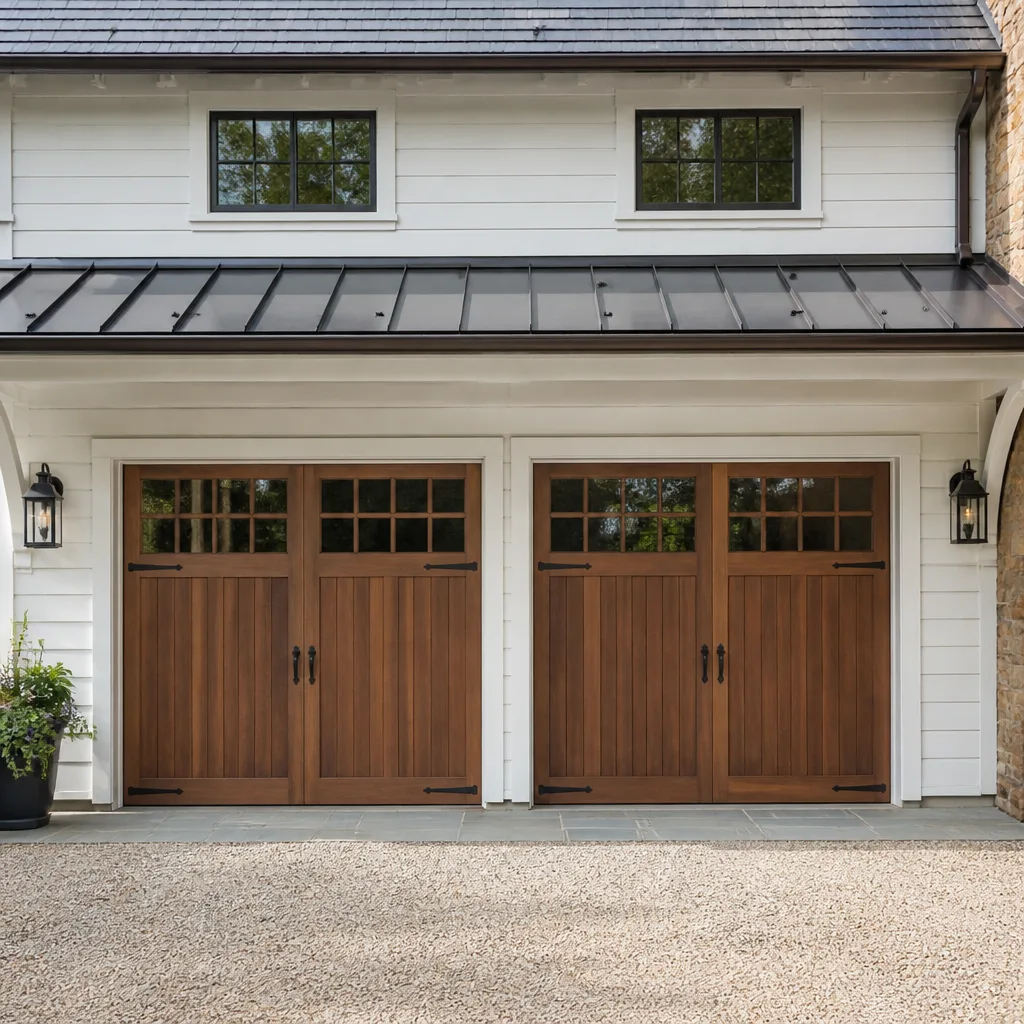 Carriage house
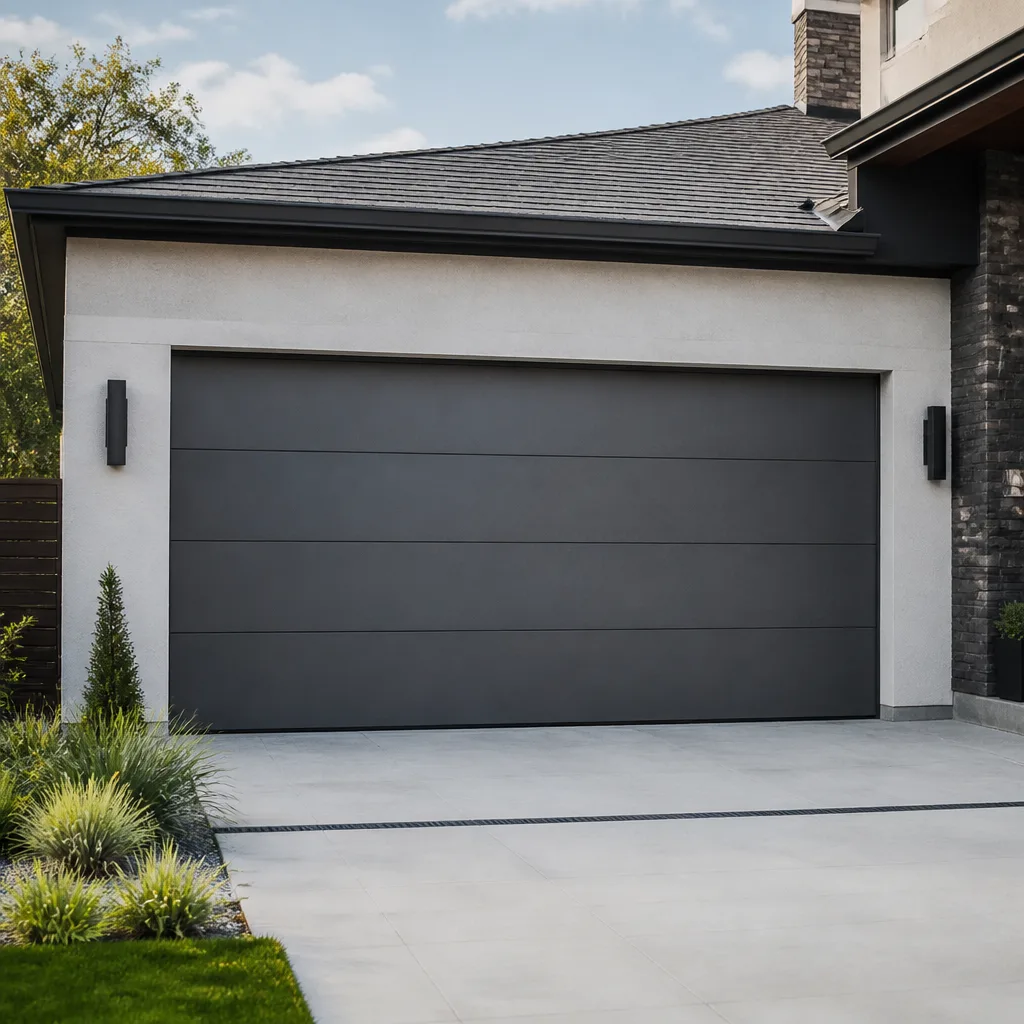 Modern flush
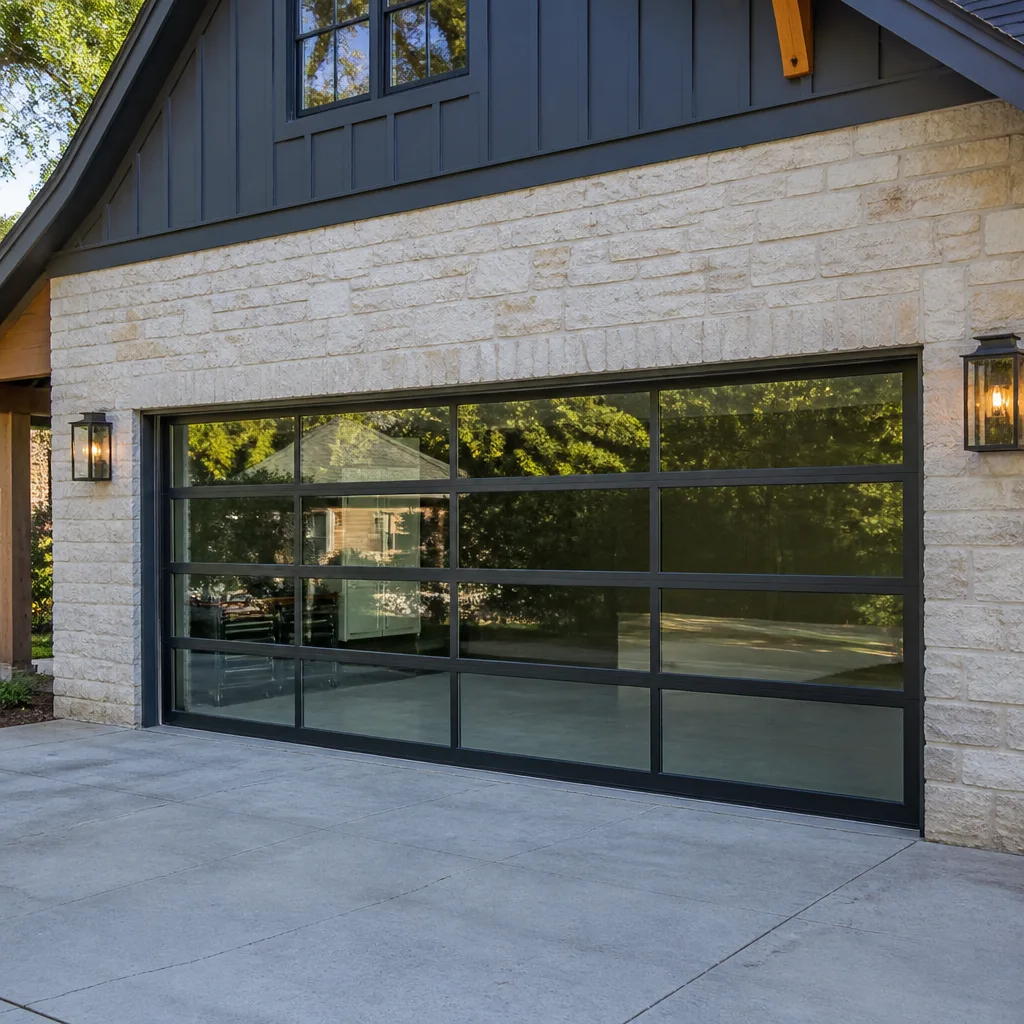 Full-view glass
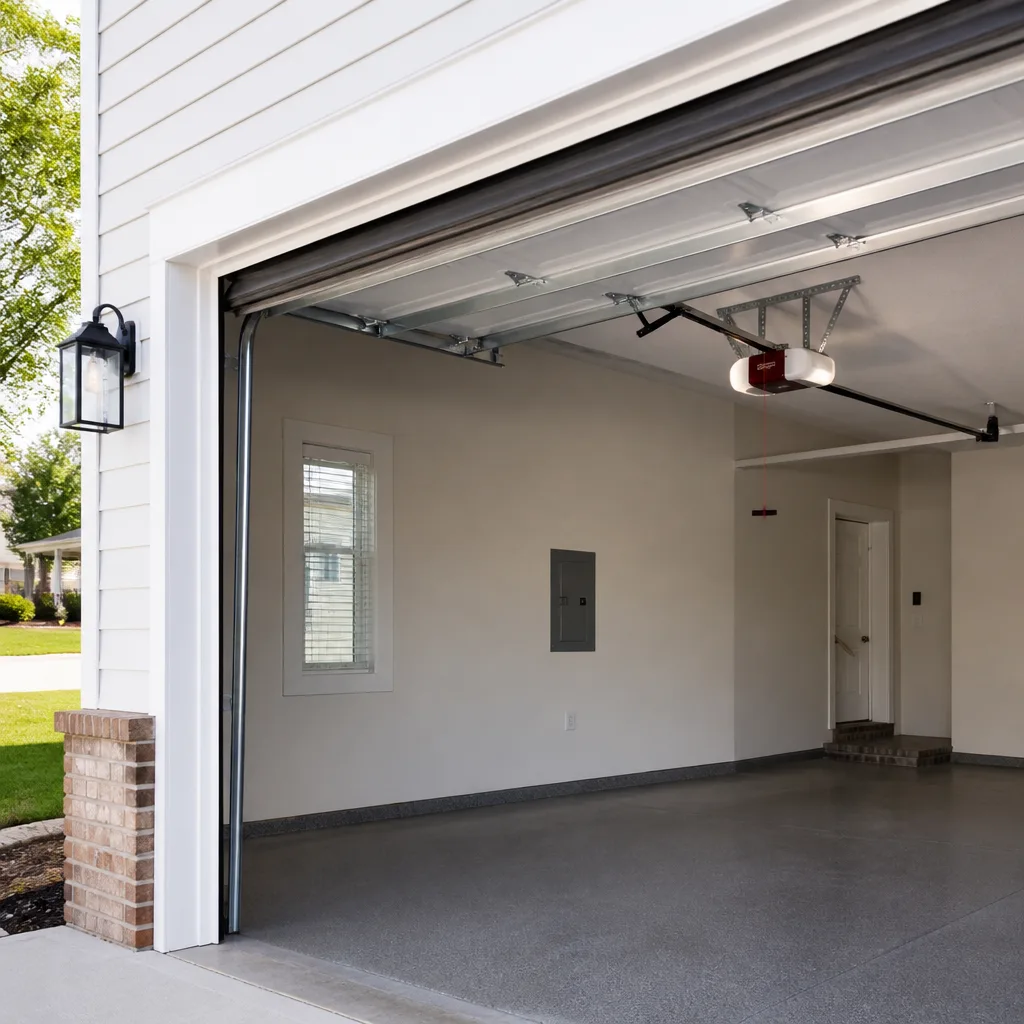 LiftMaster openers
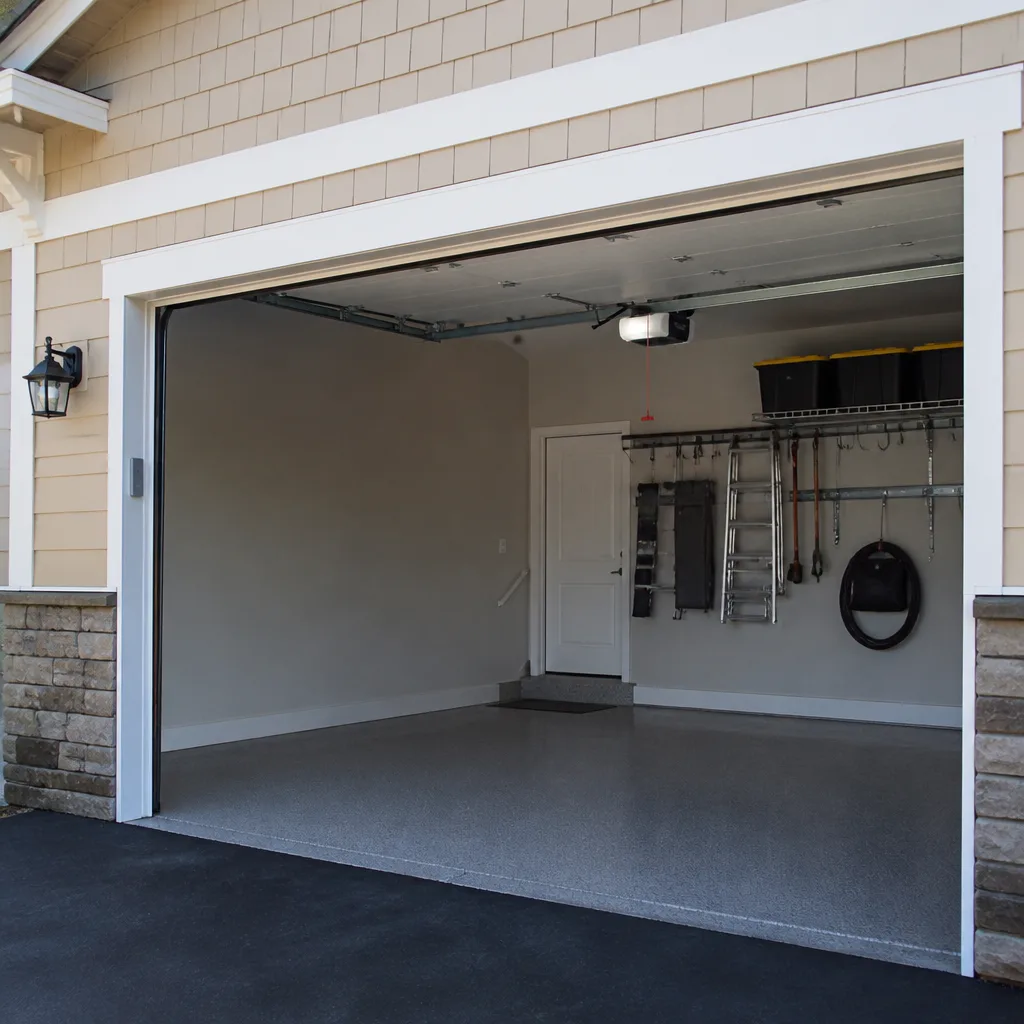 Chamberlain openers
Full 25-point door and opener safety check with every visit - springs, cables, rollers, tracks, and your LiftMaster or Chamberlain opener included
You get a price before we start. It does not change when the pro arrives.
Get your free estimateGarage Door Permits, Codes & Inspections in Brick Township, NJ: What You Need to Know
Most homeowners assume a garage door is like a refrigerator or a water heater: buy it, install it, done. No paperwork, no inspections, no government involvement. That assumption is usually wrong in New Jersey. The state’s Uniform Construction Code treats a garage door replacement as construction work when the job changes the door’s size, its structural attachment, or how it interacts with the opening – and in a town like Brick Township, where so many homes were rebuilt or retrofitted after major storms, that distinction matters more than most people realize. This guide explains when a permit is required, what Brick Township’s building department actually inspects, how wind load rules shape the door you can legally install, and what happens when unpermitted work surfaces during a sale or an insurance claim.
Quick Answer
A garage door permit is required in Brick Township, NJ when the work goes beyond a like-for-like swap – meaning any change to the door’s size, the opening itself, the structural framing, the track layout, or the addition of a new opener circuit. A same-size replacement of an existing door in the same opening often qualifies as ordinary maintenance under the NJ Uniform Construction Code and may not need a permit, but you must confirm that with the Brick Township Building Department before you order the door. Wind load compliance and documented attachment details are the parts inspectors focus on most.
Table of Contents
- Quick Answer
- What the NJ Uniform Construction Code Actually Says
- Brick Township Building Department: What They Inspect
- Wind Load and Post-Storm Construction Standards
- What Happens When Unpermitted Work Is Discovered
- How a Contractor Handles the Permit for You
- What an Inspector Actually Checks
- Common Mistakes to Avoid
- When to Call a Professional
- Frequently Asked Questions
- The Bottom Line
What the NJ Uniform Construction Code Actually Says
Here’s the part that surprises people: whether you need a permit depends less on the door than on the opening. The NJ Uniform Construction Code separates “ordinary maintenance” – repairing or replacing something with the same kind, size, and location – from an “alteration,” which changes the structure, the dimensions, or the way a system performs. A like-for-like door replacement in the exact same opening, with the same track configuration and the same attachment points, often falls on the maintenance side. Change any one of those variables and the job crosses into permitted work. In our experience across Brick Township, the confusion usually comes from assuming a bigger door is just a bigger purchase. It isn’t. It’s a construction project with a code path.
The specific triggers that shift a garage door job into permit territory include:
- Size changes. A wider or taller door means cutting the opening, modifying the header, and re-engineering the framing. That’s structural work.
- Opener additions. Installing a new powered opener where none existed requires new electrical work, and the electrical circuit needs its own inspection.
- Structural modifications. Reinforcing a header, sistering a stud, moving a track anchor, or changing how the torsion system is mounted all count as alterations.
- Opening changes. Converting a single door to a double, or a double into two singles, changes the structural load path.
- Track and spring system changes. A different track radius or a change from extension to torsion springs affects how the door performs under load.
One thing the code doesn’t do is give you a pass because the work “looks the same” from the street. The building department is reading the scope of work, not the finished photo. If you’re not sure which side of the line your job falls on, that question gets answered in writing before the door is ordered.
Brick Township Building Department: What They Inspect
Brick Township’s building department reviews garage door work the same way it reviews any other residential alteration: through a permit application, a plan review, and a field inspection. What they’re looking for isn’t cosmetic. The inspection is about whether the door is attached correctly, whether the opening is structurally sound after the work, and whether the finished assembly performs as the submittal documents claim. In our experience, jobs move fastest when the contractor submits clear attachment details and the correct product specification sheet up front, because the reviewer doesn’t have to send it back for more information.
The documentation a contractor typically provides with a Brick Township garage door permit application:
- Permit application form with the property owner, scope of work, and estimated job value filled in accurately.
- Product specification sheets from the door manufacturer, showing the model, wind rating, and installation requirements.
- Attachment and anchorage details showing how the tracks, brackets, and header are fastened to the existing structure.
- Wind load documentation demonstrating the door system meets the required design pressure for the site.
- Electrical details if a new opener circuit is part of the scope, plus the licensed electrical contractor’s information.
- Contractor registration and insurance certificate for the party pulling the permit.
Approval timing varies by workload at the department and by how complete the submittal is. A clean, well-documented application generally moves through plan review faster than one with missing spec sheets, and inspections are scheduled after the work is roughed in or completed depending on what the permit requires. The single biggest factor in timeline is whether the contractor submitted everything the first time. That’s why the paperwork conversation should happen before the door is ordered, not after it arrives in the driveway.
Wind Load and Post-Storm Construction Standards
Garage doors are the largest moving assembly on a house, and they’re also the most vulnerable opening in a wind event. A garage door that fails under pressure doesn’t just leave a hole in the wall – it pressurizes the structure from inside, which is how roofs lift off. New Jersey’s post-storm construction standards raised the wind load requirements for new construction and substantial improvements, and Brick Township’s building department enforces those standards when a garage door permit is filed. That means the door you can legally install isn’t always the door on sale at the big-box store. It’s the door whose manufacturer-tested design pressure meets or exceeds what the code requires for your specific opening and location.
What this means for a Brick Township homeowner in practice:
- Panel construction matters. Reinforced panels with heavier gauges and proper strutting hold their rated pressure; builder-grade panels often don’t.
- Track and anchor specs matter. A rated door on undersized tracks or shallow anchors fails at the connection, not the panel. The inspector checks both.
- Labeling matters. Rated doors carry a permanent wind load label or a manufacturer’s certification that the assembly has been tested to a specific design pressure. No label means no verification.
- Brand choice should follow the rating. Whether the door is a Clopay, an Amarr, or a Raynor, the model has to carry documentation showing it meets the required design pressure for the site.
If your home is in a Brick Township neighborhood that was rebuilt or substantially improved after a major storm, the wind load threshold may be higher than it was for the original door. That’s a detail worth confirming before the order goes in. It also means the door replacement might be a permitted alteration even if the size isn’t changing, because the replacement door is being held to a newer standard than the one it replaces.
What Happens When Unpermitted Work Is Discovered
Unpermitted garage door work doesn’t usually surface on the day it’s installed. It surfaces years later, at the worst possible moment: during a home sale, during an insurance claim, or when the door fails and someone asks who signed off on it. When a buyer’s inspector or attorney finds a door replacement that never went through the building department, the transaction slows down and the negotiating position shifts. The seller has to either produce the permit, get a retroactive approval (which may require opening up work to show what’s underneath), or credit the buyer for the risk. In a Brick Township sale, that can mean weeks of delay and a real dollar concession, not because the door is unsafe but because the paperwork trail doesn’t exist.
Insurance is the other exposure. If a wind event damages a garage door and the claim adjuster discovers the door was replaced without a permit, the insurer can question whether the door met the wind load requirement it should have been held to. That’s not a guarantee of denial – every policy and every claim is different – but it’s a conversation you don’t want to have during a claim. Repair costs that might have been covered can become a dispute about whether the installation complied with code in the first place.
The practical lesson: keep the permit and the inspection sign-off with the house documents. If a prior owner replaced the door, check for the permit before you need it. And if you’re the one doing the work, don’t let a contractor talk you out of the permit to save a few hundred dollars or a couple of weeks. The permit is the receipt that the job was done to code. Without it, you’re relying on the next owner’s attorney to be in a generous mood.
How a Contractor Handles the Permit for You
A licensed contractor in Brick Township typically pulls the permit in the company’s name, which puts the review responsibility on the party doing the work rather than on the homeowner. That’s the arrangement you want: the contractor who submitted the plans is the contractor who answers for the inspection. The process generally runs in this order, and the homeowner’s role is mostly to sign the application and provide access for the inspector.
- Scope walkthrough and confirmation. The contractor confirms the door size, opening dimensions, track type, spring system, and whether an opener circuit is involved.
- Permit application and submittal. The contractor files with Brick Township’s building department with spec sheets, attachment details, and wind load documentation for the door being installed.
- Plan review. The department reviews the submittal and either approves it or requests more information. Clean submittals move faster.
- Door installation after approval. The work happens once the permit is issued, following the approved scope.
- Inspection. The inspector verifies the attachment, the anchoring, the labeling, and any electrical work tied to the opener.
- Sign-off and certificate. The completed inspection produces the documentation trail the homeowner keeps with the property records.
Permit fees are set by the municipality, not by the contractor, and they’re usually passed through at the municipal rate. What can get marked up is “permit handling” as a line item – sometimes packaged as a flat administrative fee far above the actual municipal cost. Ask for the permit fee itemized separately from labor and materials, and ask for the application number once it’s filed so you can confirm the permit exists. That’s a healthy question, not an insulting one.
For the door itself, our technicians have up to 8 years of experience and we’re factory-familiar with LiftMaster, Chamberlain, Genie, Clopay, Amarr, Wayne Dalton, Craftsman, and Raynor systems. We work on the brand you already own – or the one the wind load documentation supports – rather than pushing a replacement because it’s easier to source. If you’re still choosing a company, Brick Garage Door Repair connects you with vetted local professionals who know the Brick Township permit path and can quote the full scope before anything is ordered.
What an Inspector Actually Checks
The inspection is not a courtesy visit. It’s a verification that the work as built matches the work as approved, and it touches specific, checkable items. Knowing what’s on the list helps you spot a sloppy installation before the inspector does – or before you write the final check. Here’s what typically gets verified on a permitted garage door job in Brick Township:
- Door labeling and model match. The installed door matches the model on the approved submittal, and any wind load label is present and legible.
- Header and framing condition. The header is sound and the framing around the opening is intact, with no rot or cracking where anchors bear.
- Track anchorage. Tracks are fastened with the correct anchors at the correct spacing per the manufacturer’s installation instructions.
- Spring and balance system. The door operates smoothly, balances properly, and the spring system is correctly sized and mounted.
- Safety devices. The opener’s reversing system and safety sensors are installed and functioning, if a new opener is part of the scope.
- Electrical work. Any new circuit for the opener is inspected by the electrical subcode official.
- Clearance and operation. The door opens and closes without binding, the weatherseal is in place, and there are no obstructions in the travel path.
If something fails, the fix is usually straightforward – a missing anchor, a label that got painted over, a sensor that isn’t aligned. What slows a job down is a door that doesn’t match the approved submittal, because the correction may mean reordering. That’s the real reason to get the paperwork right at the start.
Common Mistakes to Avoid
- Assuming a same-size replacement never needs a permit. Size is only one variable. Track changes, spring system changes, and new opener circuits can pull the job into permitted territory even when the opening stays the same.
- Letting a contractor skip the permit to “save time.” A few weeks saved now can become a closing delay or an insurance dispute later. Ask for the permit number and verify it with the building department.
- Buying the door before the wind load requirement is confirmed. A door that doesn’t meet the required design pressure for the site won’t pass inspection, and it can’t be “fixed” with better anchoring.
- Ignoring the opener electrical path. A new opener circuit needs its own subcode review. Bundling it into the door permit without the electrical details is a common way to get a plan review kicked back.
- Not keeping the inspection sign-off with the house records. The certificate is the proof that the work was permitted. Without it, the next buyer’s attorney has a question you can’t answer.
- Taking a verbal “we’ll handle the paperwork” as confirmation. Get the permit application number and the final inspection result in writing, and store them with your closing documents.
- Assuming a Brick Township home rebuilt after a storm follows the original door specs. If the home was substantially improved, the wind load threshold may be higher than the door that was originally on the opening.
When to Call a Professional
Some garage door questions are paperwork questions and some are mechanical ones, and both are worth a professional’s evaluation before you spend money. Call a professional when the door size is changing, when an opener is being added where none existed, when the header or framing looks compromised, when the door came with the house and you have no permit record, or when the door is failing in a way that could be a spring or track problem rather than a cosmetic one. Springs are the most dangerous part of your garage door, and we treat them that way: a trained technician handles that work, not a homeowner with a winding bar and a video tutorial.
Emergency garage door repair is a real category in Brick Township, because a door stuck open leaves a home unsecured and a door stuck shut traps a car. When your door fails, every minute counts. Brick Garage Door Repair offers free estimates in Brick Township for both repair and installation, and the written estimate sets the price before any work starts. Call (877) 792-6059. We answer 24/7. Fast dispatch from 7am to 7pm, Sunday through Friday.
Frequently Asked Questions
You need a permit if the work goes beyond a like-for-like replacement in the same opening with the same track and attachment configuration. Any size change, structural modification, track change, spring system change, or new opener circuit generally requires a permit under the NJ Uniform Construction Code. Call the Brick Township Building Department to confirm your specific scope before ordering a door, and call (877) 792-6059 for a free estimate if you want the scope defined for you.
Timing depends on the building department’s workload and how complete the submittal is. A clean application with spec sheets, attachment details, and wind load documentation generally moves through plan review faster than one that needs to be sent back for more information. Your contractor should be able to give you a realistic window based on the current queue, and it’s fair to ask for the permit application number so you can track it yourself.
The required design pressure depends on the site and the construction standard that applies to your home, which is why it has to be confirmed before the door is ordered. New Jersey’s post-storm construction standards raised wind load requirements for new construction and substantial improvements. The door, the tracks, and the anchors all have to meet or exceed the required rating, and the manufacturer’s documentation has to show it. A professional can read the requirement and match the door to it.
It can. During a home sale, an unpermitted door replacement can slow the transaction and shift negotiating leverage toward the buyer through a credit or a concession. During an insurance claim after a wind event, the adjuster may question whether the door met the wind load requirement. Keeping the permit and inspection sign-off with your property records is the simplest way to avoid that conversation.
The licensed contractor doing the work typically pulls the permit in the company’s name, which puts the review responsibility on the party performing the installation. The homeowner signs the application and provides access for inspections. Ask for the permit number once filed and for the final inspection result in writing, and keep both with your closing documents.
Routine repair of existing components is generally not permitted work, because it restores the door to how it already was rather than altering the structure or the opening. Swapping a broken spring, aligning a track, or repairing an existing opener typically falls on the repair side of the line, though adding a new opener circuit is different because it involves new electrical work. When in doubt, ask before the work starts. For repair questions, garage door repair, garage door spring repair, and garage door opener repair are the pages that cover the mechanics. Call (877) 792-6059 for an exact quote on any of them – estimates are free.
The Bottom Line
The permit question for a Brick Township garage door comes down to one test: is the job restoring what’s already there, or changing something about the opening, the structure, or the way the door performs? If it’s changing, the NJ Uniform Construction Code expects a permit, and Brick Township’s building department enforces it through plan review and inspection. The wind load requirement is the detail that catches most homeowners off guard, especially on homes that were substantially improved after a major storm. Get the paperwork right before the door is ordered, keep the inspection sign-off with your house records, and don’t let anyone talk you out of the permit to save a few weeks. The permit is the difference between work that was done right and work you have to explain to a buyer’s attorney.
If you’re not sure where your job falls, the fastest path is a free estimate that defines the scope in writing. Brick Garage Door Repair works on the brand you already own, from Craftsman and Raynor to LiftMaster and Chamberlain, and we’ll tell you plainly whether the job needs a permit before you commit. Built solid, done right. Call (877) 792-6059. We answer 24/7. Fast dispatch from 7am to 7pm, Sunday through Friday.
Written by the team at Brick Garage Door Repair.
Styles & brands we work with
- Raised-panel steel
- Carriage house
- Modern flush
- Full-view glass
- LiftMaster openers
- Chamberlain openers
See the difference
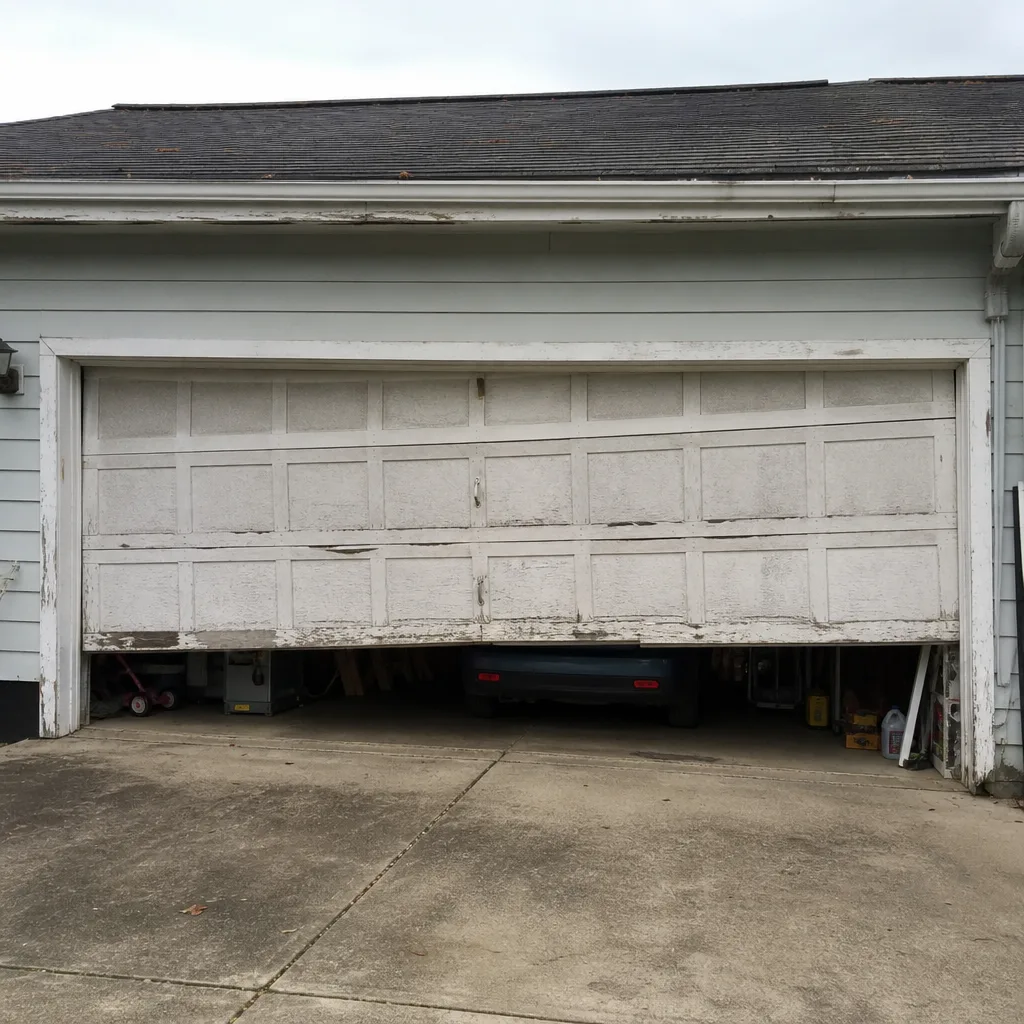 Before
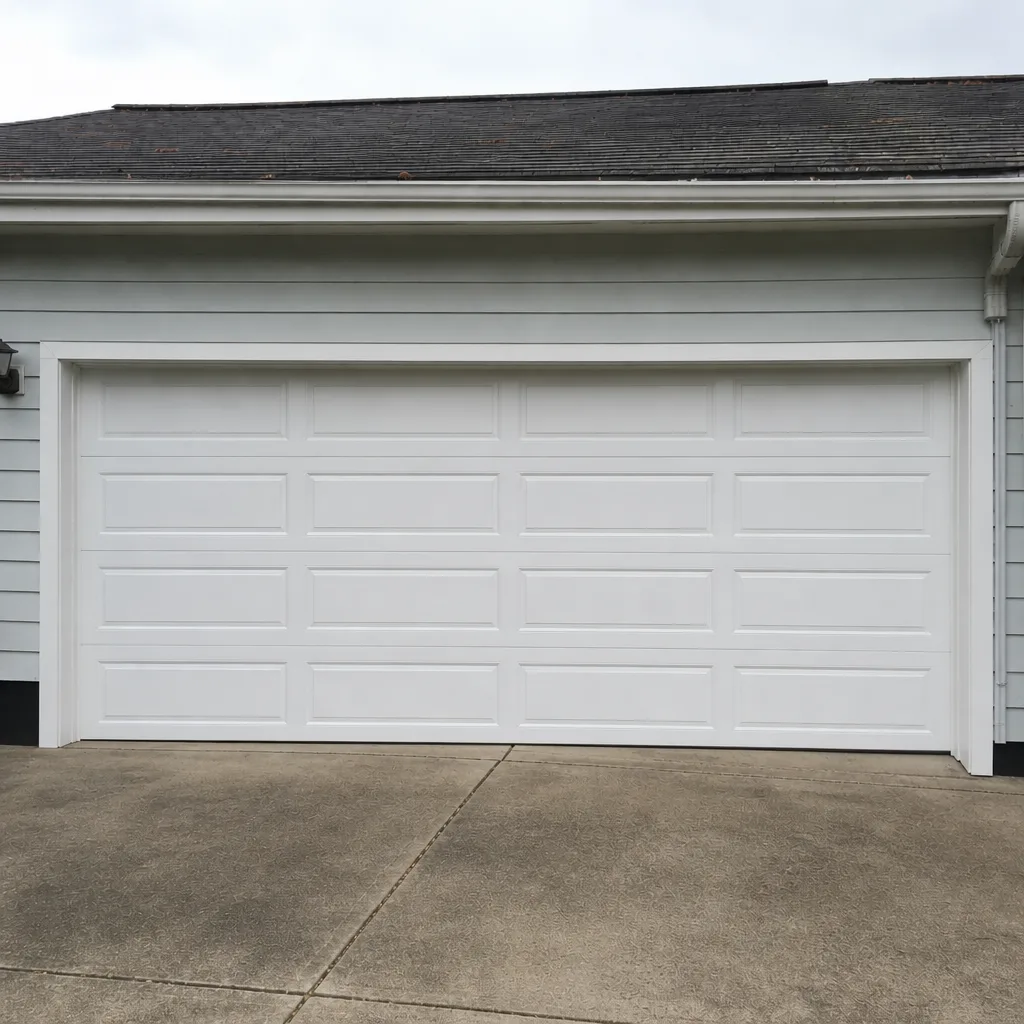 After
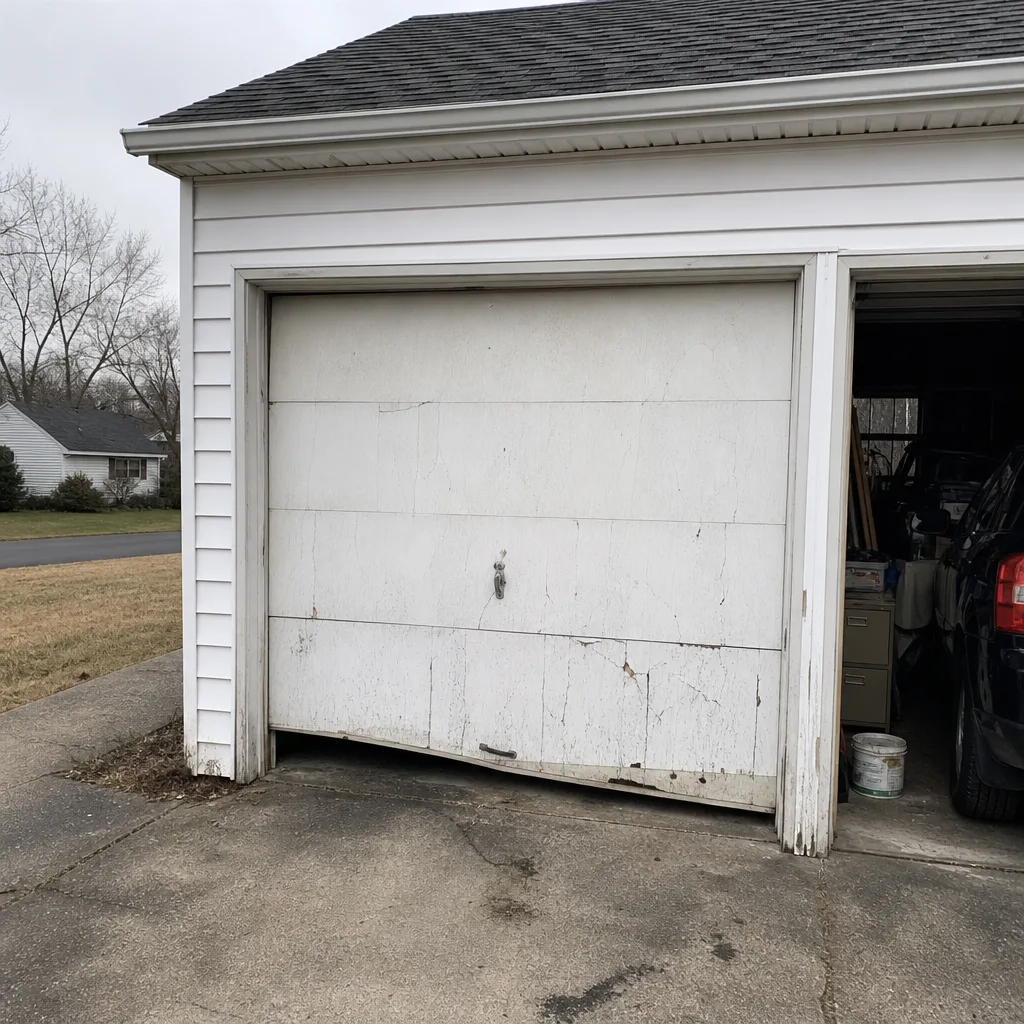 Before
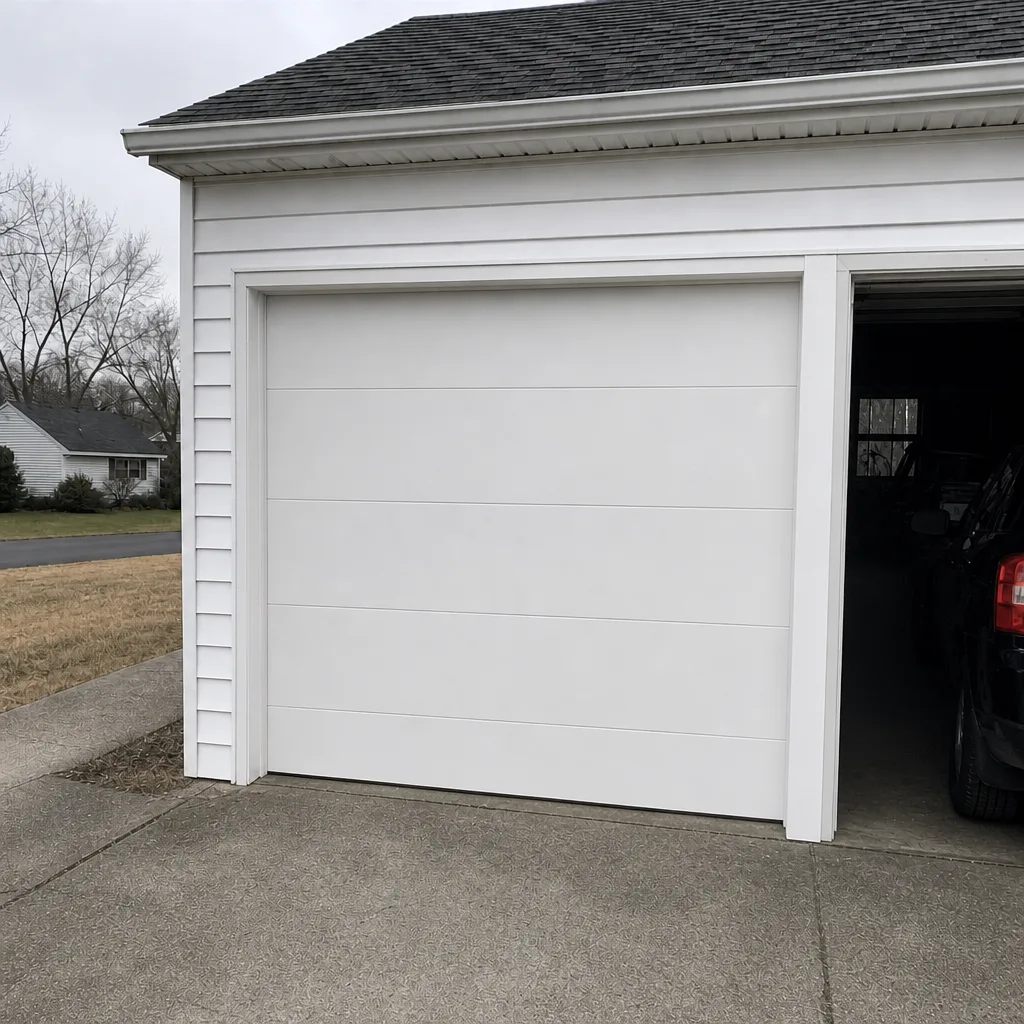 After
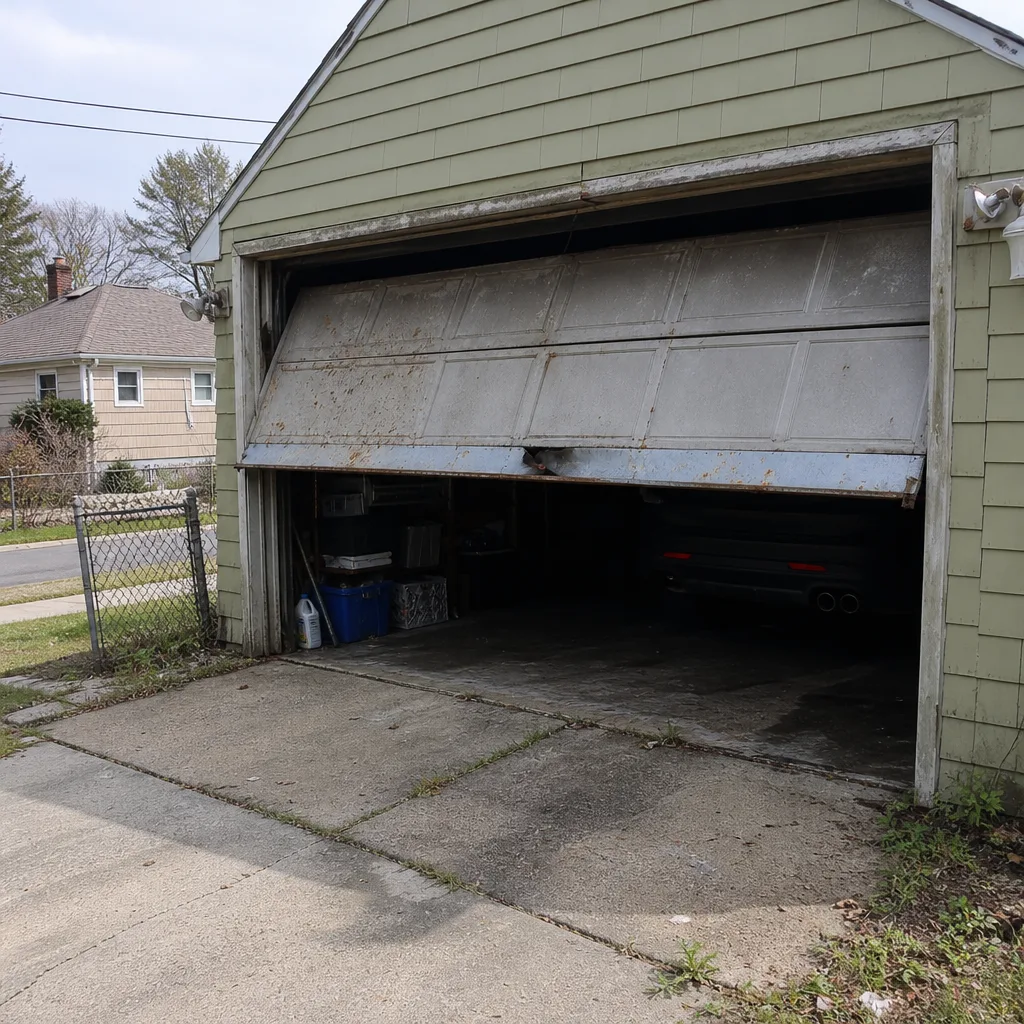 Before
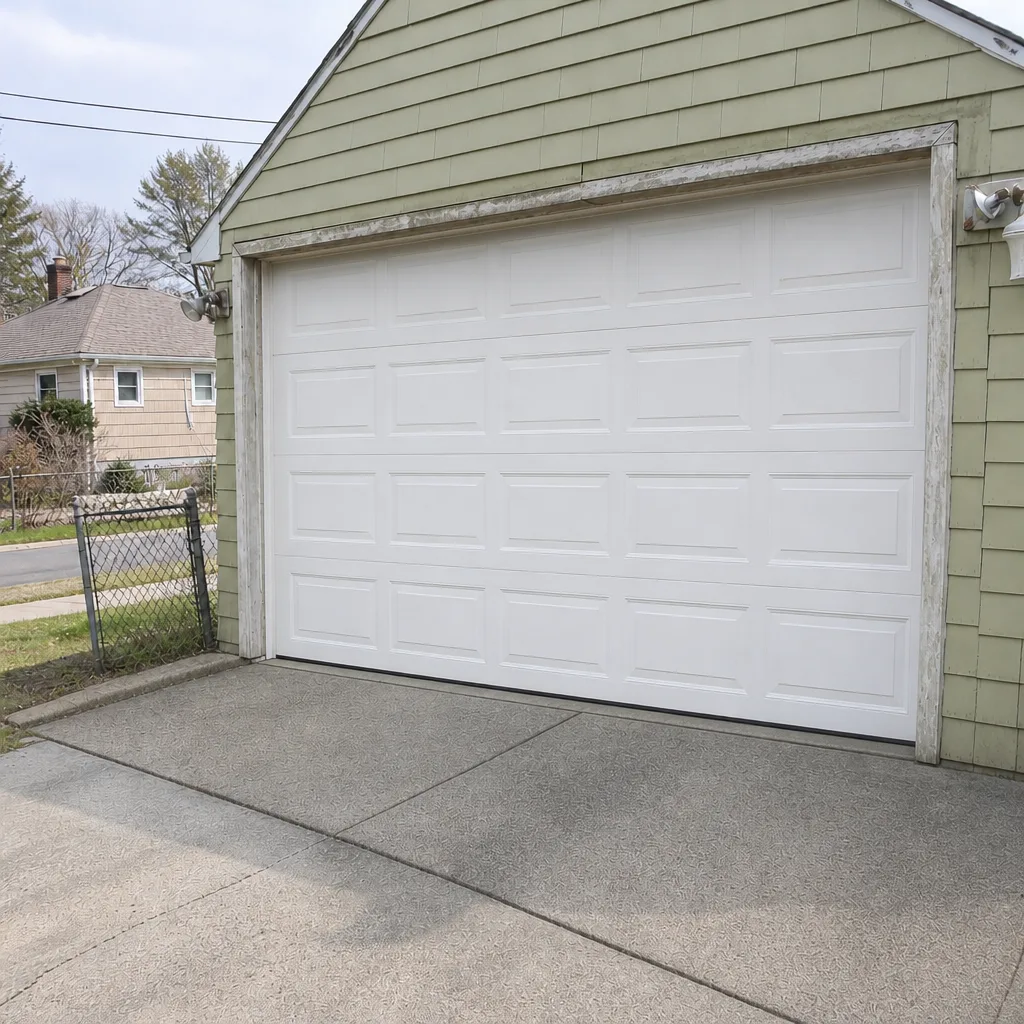 After