
Last updated November 22, 2026
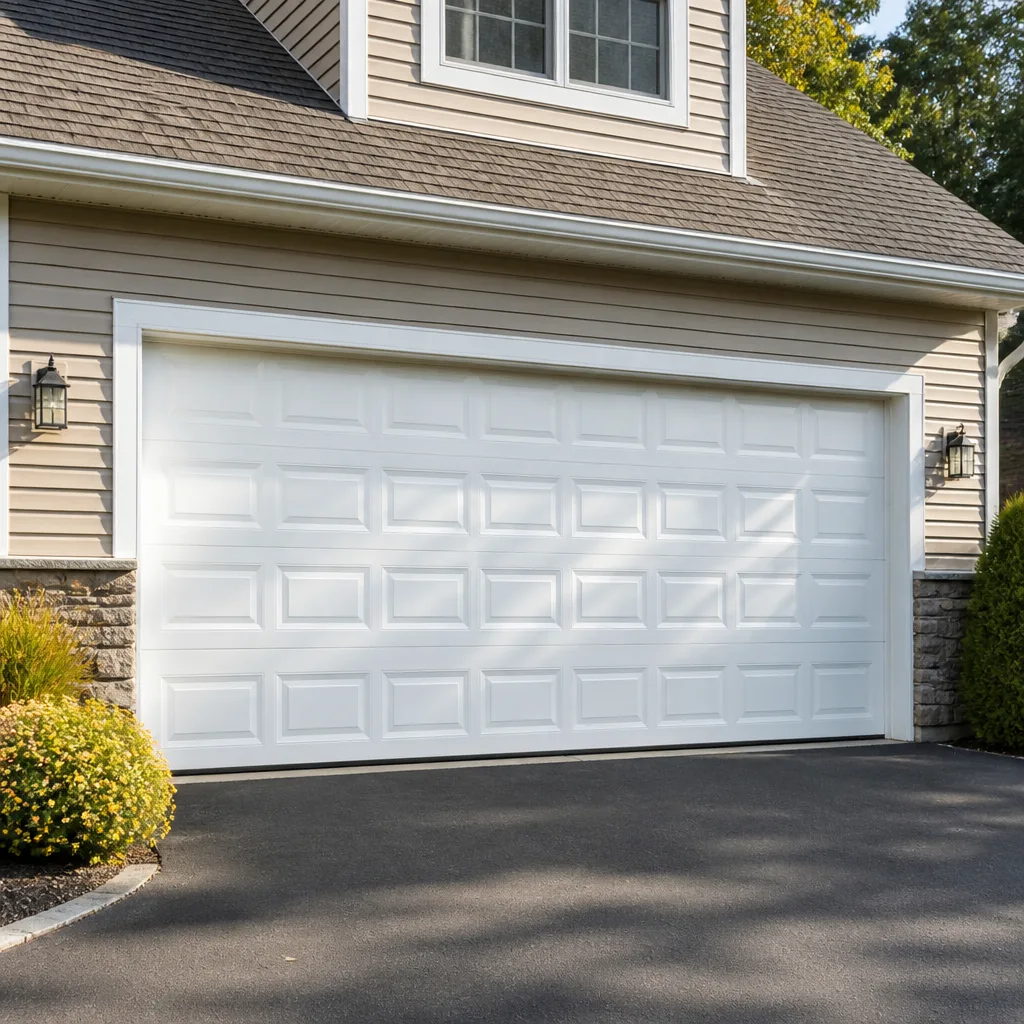 Raised-panel steel
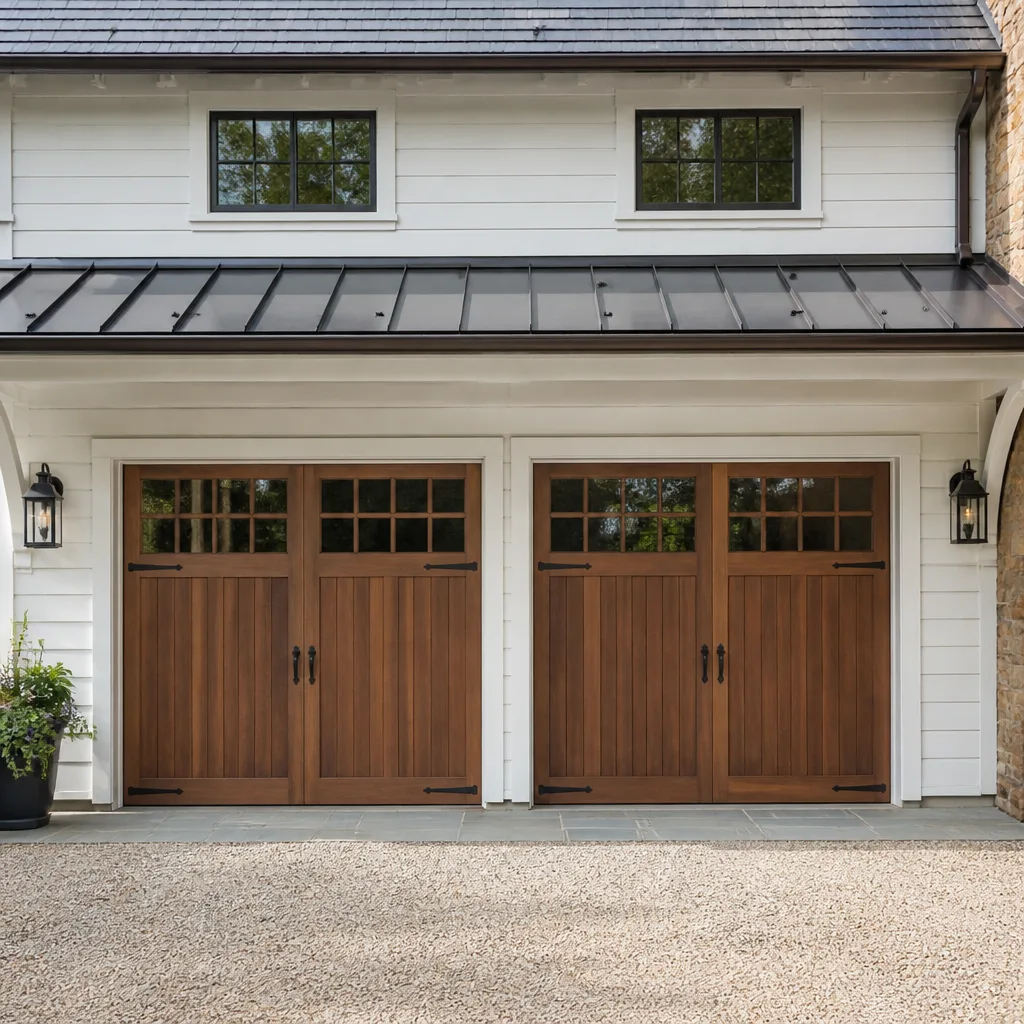 Carriage house
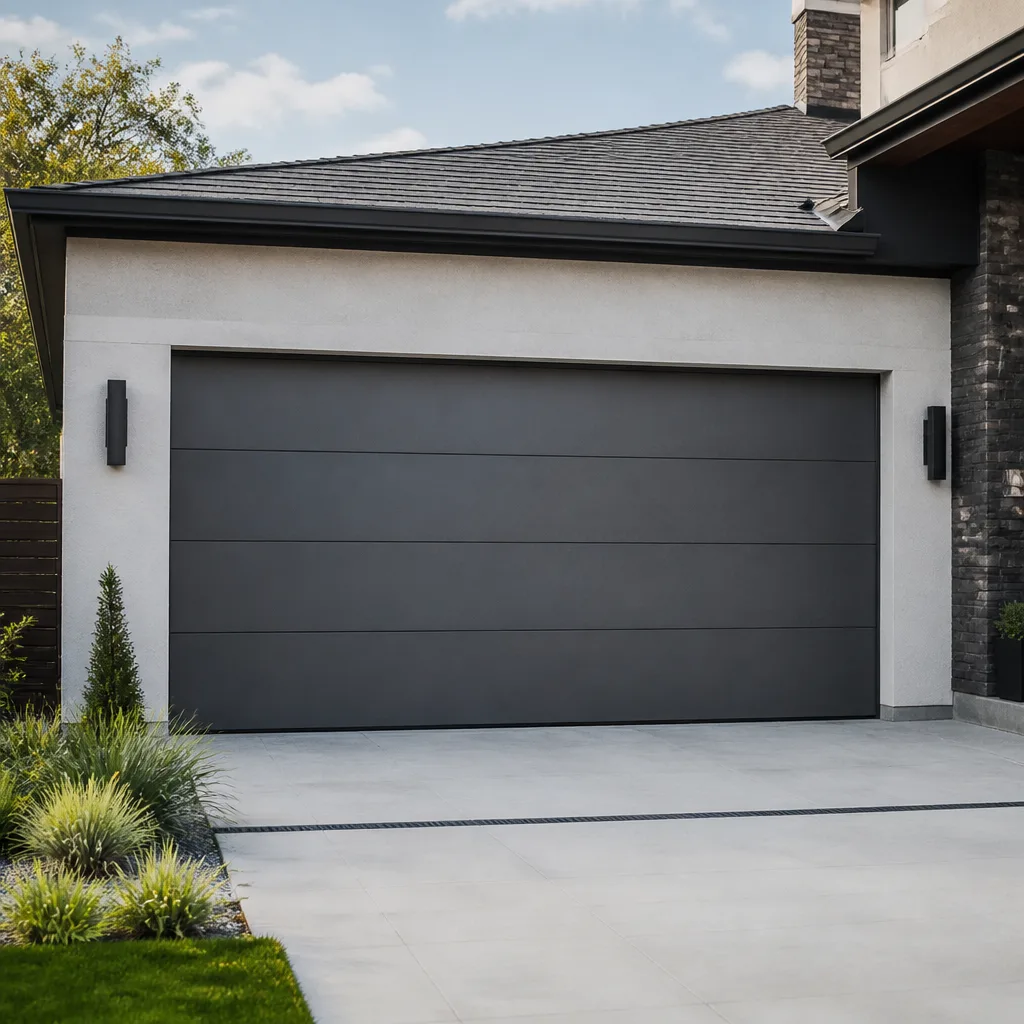 Modern flush
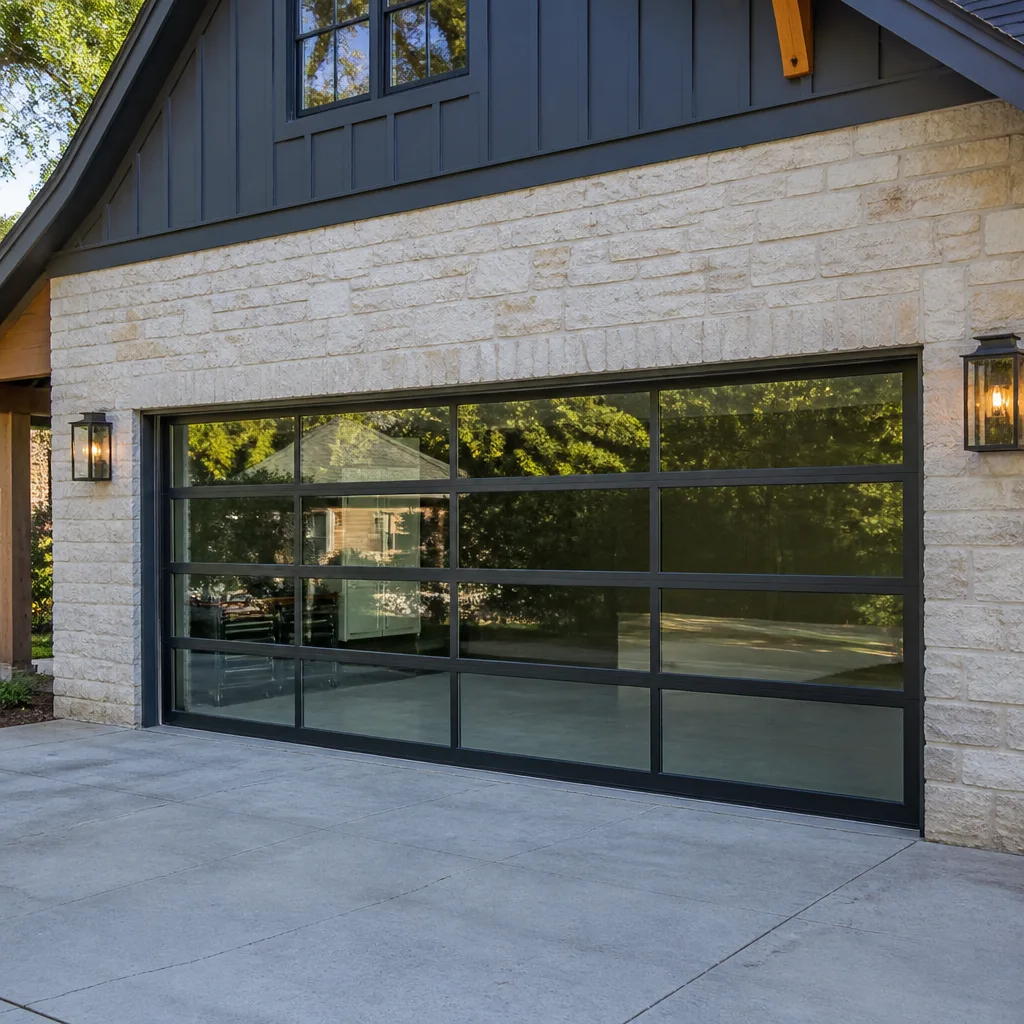 Full-view glass
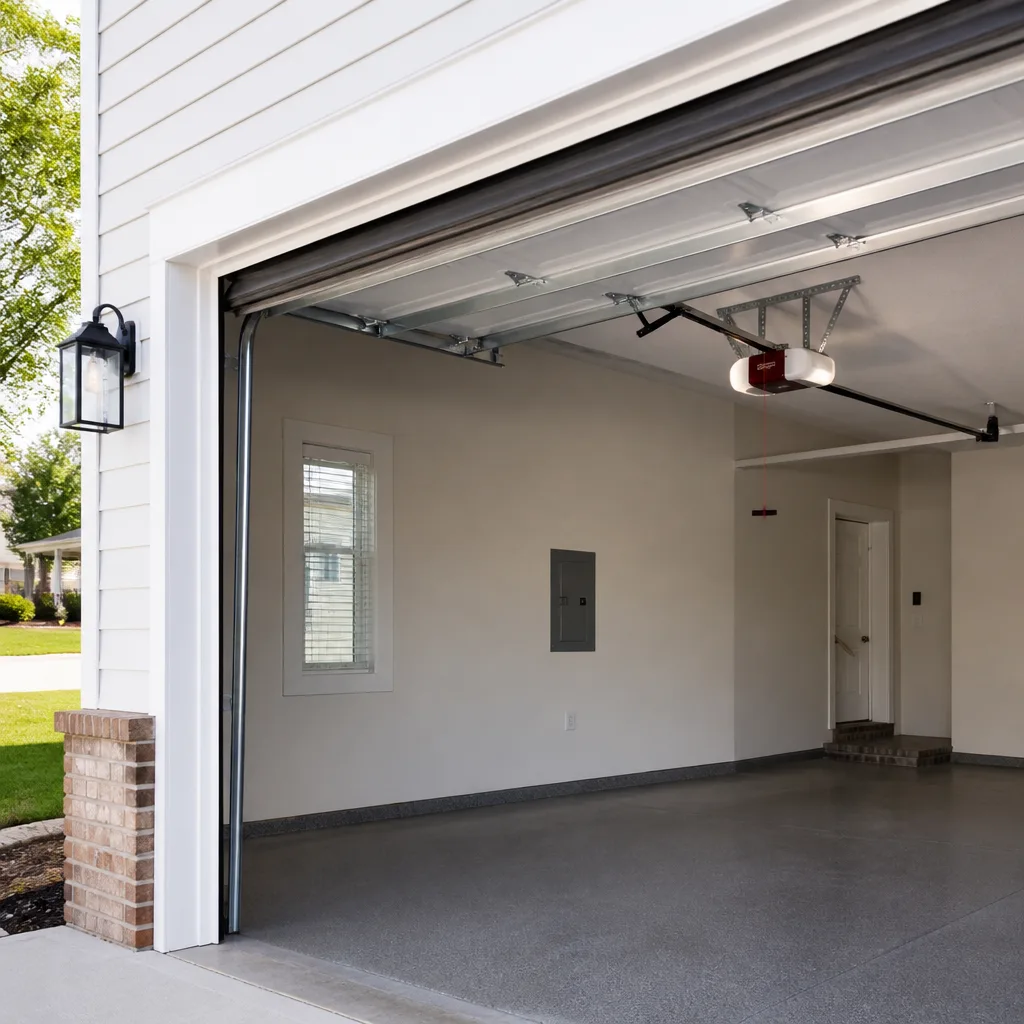 LiftMaster openers
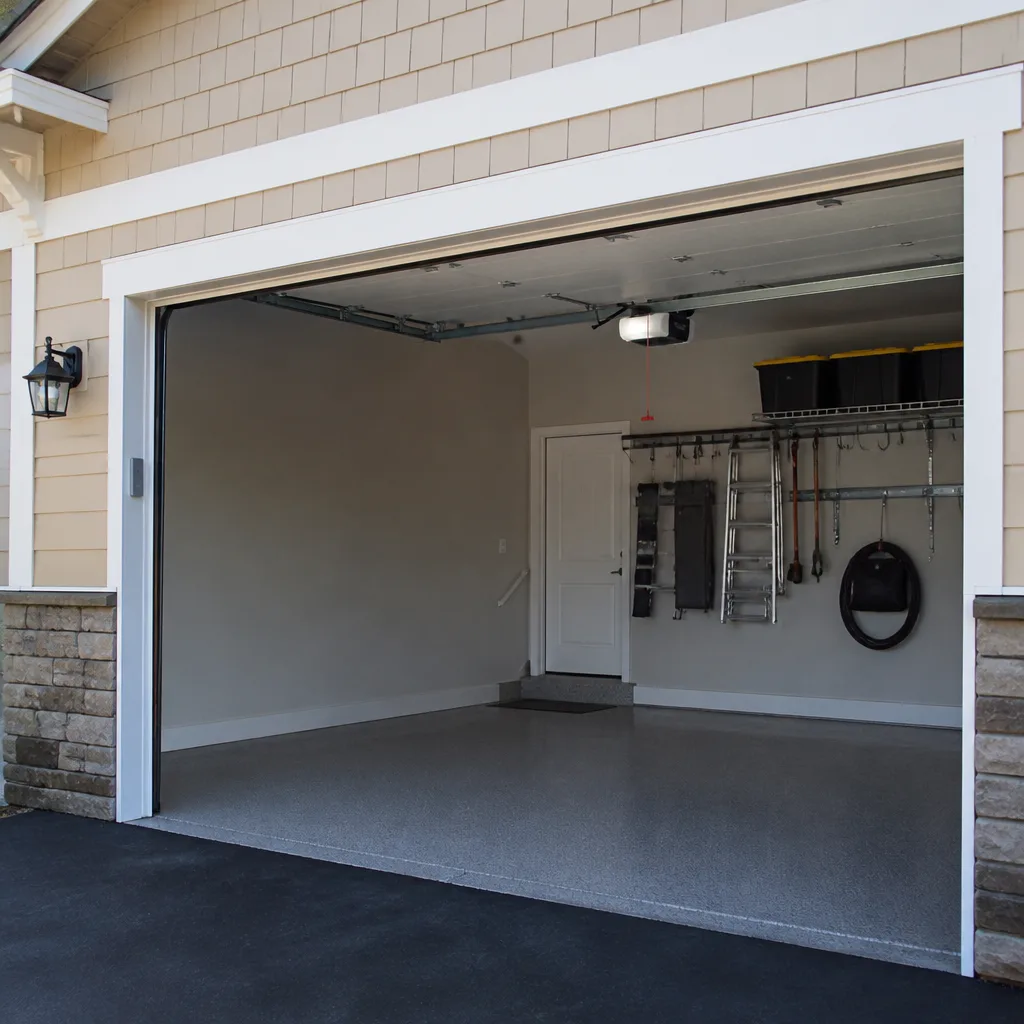 Chamberlain openers
Full 25-point door and opener safety check with every visit - springs, cables, rollers, tracks, and your LiftMaster or Chamberlain opener included
You get a price before we start. It does not change when the pro arrives.
Get your free estimateGarage Door Warning Signs: A Brick Township Homeowner’s Reference Guide
Most garage door failures give you weeks of notice. The problem is that the notice arrives as a sound you dismiss, a rust spot you walk past, or a door that takes two seconds longer to close than it used to. In Brick Township, those signals have a local accent: winters that swing between freezing and thawing, humid summers, and a housing stock where plenty of doors have been turning on the same torsion assembly for a long time. The grinding you hear isn’t always the opener. It might be a bearing plate that’s been quietly corroding, and which of the two it is changes the job entirely. This guide translates what you see and hear into plain-language diagnoses.
Quick Answer
The main garage door warning signs are unusual sounds (grinding, squealing, popping, rhythmic clicking), rust in structural locations, a door that drifts down or reverses mid-travel, and an opener motor that strains or heats up faster than it should. Each symptom points to a different component, and each has its own urgency level. Catching them early usually means a smaller repair; ignoring them usually means a bigger one.
Styles & brands we work with
- Raised-panel steel
- Carriage house
- Modern flush
- Full-view glass
- LiftMaster openers
- Chamberlain openers
Table of Contents
- The Sound Index: What Each Noise Is Telling You
- Reading Rust: Surface Oxidation vs. Structural Failure
- Operational Warning Signs and What They Trace Back To
- Why Brick Township Openers Strain Earlier Than Their Rated Life
- The 60-Second Emergency Release Test
- A Monthly Visual Checklist for Brick Township Homes
- Sorting Warning Signs by Urgency
- When to Call a Professional
The Sound Index: What Each Noise Is Telling You
Sound is the earliest and cheapest diagnostic tool you own. A garage door is a chain of moving parts, and each part fails with a recognizable voice. Here’s how to map what you hear to what’s likely wrong, and how urgent it is.
- Grinding, low and metallic, coming from above the door: usually a torsion bearing plate or the torsion tube itself, not the opener. This is a dry, rough sound that gets worse over weeks. Moderate urgency, but it does not fix itself.
- Squealing or high-pitched shrieking: metal-on-metal friction, often at the rollers or hinges. This is the most forgiving sound on the list; lubrication and roller replacement usually resolve it. Low urgency.
- A single loud pop, especially when the door is opening: this is the classic sound of a torsion spring breaking. Once a spring snaps, the door becomes unsafe to operate. High urgency, and a job for a trained technician.
- Rhythmic clicking, once per revolution: a damaged roller, a bent hinge, or a cable beginning to fray against a drum. Get it looked at before it turns into a stuck door.
- Rattling that worsens over time: loose fasteners, worn hinges, or a door panel that has begun to delaminate. Moderate urgency, often a straightforward hardware tightening and replacement call.
The single most common mistake we see is a homeowner assuming every noise is the opener. On a lot of Brick Township doors, the opener is fine and the noise is coming from the torsion assembly overhead. That distinction matters because the two jobs are priced and scheduled very differently. If you can’t tell which it is, our garage door opener repair technicians can diagnose the source before anyone commits to a repair.
Reading Rust: Surface Oxidation vs. Structural Failure
Not all rust matters equally. Surface oxidation on a painted steel panel is cosmetic and usually a slow, manageable issue. Rust in the wrong location is a replacement trigger, because it means the panel’s structural integrity is compromised and the door can no longer be relied on to hold its shape under load.
The location that matters most is the bottom section of the door, along the bottom edge and inside the bottom bracket area. That’s where water pools, where the door contacts a wet floor, and where the bottom bracket carries load. Rust that has eaten through the bottom edge, or that’s creeping up from the bottom bracket into the panel itself, is the one place where even a small amount of rust earns an immediate inspection. A door with a compromised bottom section can sag, bind, and put uneven stress on the springs.
Brick Township homes sit in a climate that works on steel: humid summers, freeze-thaw cycles in winter, and lots of moisture trapped near the garage floor. A door that was fine in a drier climate can start showing rust here within a few years if it wasn’t well prepped and painted. Look for:
- Bubbling paint along the bottom edge. This is rust underneath the finish, not on top of it.
- Brown streaks running down from hinges and brackets. That’s rust bleeding from the hardware.
- Soft spots in the bottom panel when you press with a gloved hand. If it flexes, the metal has thinned.
- Rust at the bottom bracket, where the cable attaches. This is a safety item, not cosmetic.
If the rust is confined to a hinge or a bracket, the fix is usually hardware replacement. If it has reached the bottom panel itself, replacement of the section (or the door) becomes the safer answer. We work with Clopay and Amarr and other major brands, so a repair match is usually available without sending you to a different company.
Operational Warning Signs and What They Trace Back To
How a door moves tells you as much as how it sounds. These are the operational symptoms that most reliably point to a specific root cause, without the vague “may indicate” language you’ll find on most checklists.
- Slow or uneven descent. The door goes down but one side lags. Root cause: a stretched or worn torsion spring, a cable that has jumped its drum, or a roller binding on one track. Do not ignore this one; an uneven door strains the opener and can come off the track.
- Door reverses before reaching the floor. Root cause: the opener’s limit switch is set wrong, the safety sensors are misaligned or dirty, or the door is binding and the opener’s force setting is triggering a reversal. Usually a diagnostic-and-adjust job, not a parts job.
- Door reverses on the way up, or stops mid-travel. Root cause: the opener’s travel limits have drifted, or the door is heavier than the opener expects because a spring has weakened. On older doors in Brick Township, weakened springs are the most frequent culprit.
- Gap along one side when the door is fully closed. Root cause: a bent track, a worn hinge, or the door has shifted on its mounting. This is a security issue as much as a mechanical one.
- Door bounces or shudders as it moves. Root cause: rollers worn flat, a bent track, or a balance problem. If you can lift the door by hand to about waist height and it doesn’t stay put, the springs are out of balance.
The balance test in that last item is worth doing once a month. Disconnect the opener first, lift the door halfway by hand, and let go. A properly balanced door stays where you left it. A door that drifts down has a spring problem. That’s a signal to schedule a service call, not to keep operating the door, because the opener is now doing work the springs should be doing.
Why Brick Township Openers Strain Earlier Than Their Rated Life
Openers are rated for a certain number of cycles and a certain amount of load. What shortens their life is load they didn’t expect. Here in Brick Township, several local factors push openers harder than their ratings assume.
First, temperature swings. A torsion spring’s lifting force changes with temperature, and a Brick Township winter can push a marginal spring past the point where it balances the door. The opener then carries the difference. Second, humidity. Damp air expands wood and can cause steel to bind in the tracks, and a binding door is a heavier door. Third, age and accumulation. Many homes here have doors that were installed years ago and have never had their springs, rollers, or bearings serviced, so the whole system is working harder than the opener was originally sized for.
You can detect opener strain before burnout. Watch for:
- The opener sounds labored at the start of travel, then smooths out. That’s the motor fighting a load it shouldn’t have to.
- The housing feels unusually warm after a single cycle. Touch it with the back of your hand. Warm is normal, hot is not.
- The opener trips its overload and needs a minute before it will run again. That’s a sign it’s near the end of its useful life if the door balance is fine.
- The light flickers when the motor starts. On an older opener in a Brick Township home, that can point to a failing capacitor or a wiring issue.
If the door is balanced and the opener still strains, the opener is the problem. If the door is out of balance, fix the door first, or you’ll be replacing the opener and then the springs anyway. When the diagnosis points to the opener, our garage door opener repair team is factory-familiar with LiftMaster, Chamberlain, Genie, and Craftsman units, so we repair what you already own rather than pushing a swap.
The 60-Second Emergency Release Test
Every garage door has a manual release: the red handle and cord that disconnects the door from the opener so you can lift it by hand. Most homeowners have never pulled it. During a storm, when the power goes out and you need to get the car out, that handle is the only thing standing between you and a stuck door. Test it before you need it.
The test takes about a minute. Here’s how to do it safely:
- Close the door fully and make sure no one is standing under it.
- Pull the red release handle straight down. You should hear a distinct click as the trolley disconnects.
- Lift the door by hand to about waist height, then let go. A balanced door stays put. A door that falls has a spring problem and should not be operated manually.
- Lower the door back to the closed position.
- Re-engage the trolley by running the opener, which will reconnect the carriage. Confirm the door opens and closes normally.
If the release handle won’t pull, or pulls but the door doesn’t lift, the release mechanism or the door balance needs attention. That’s a repair, and it’s one to schedule before storm season, not during it. If you’ve tested the release and something feels wrong, that’s a good time to call for garage door repair rather than waiting for the door to fail on its own schedule.
A Monthly Visual Checklist for Brick Township Homes
Five minutes once a month catches most of the warning signs on this guide before they become expensive. Here’s the checklist we’d give any homeowner here.
- Look at the springs above the door. Any visible gap in a torsion spring means it has broken; stop using the door and call. Torsion springs are under extreme tension and are the most dangerous part of the system. Never try to adjust or replace them yourself.
- Check the cables on each side. Frayed strands, kinks, or a cable that has come off the drum are a call-now item.
- Run a gloved hand along the bottom edge of the door for rust bubbling or soft spots.
- Look down each track for dents, bends, or debris. A dented track will eventually throw the door off.
- Test the safety sensors by waving an object in front of them while the door is closing. The door should reverse.
- Do the balance test with the door disconnected from the opener.
- Listen while the door runs. Any new sound is worth noting.
Keep a short written log of what you see and hear each month. When you do call for service, that record is worth more than a guess about when a noise started. It’s the kind of detail that lets a technician show up knowing what to look for.
Sorting Warning Signs by Urgency
Not every warning sign deserves the same response. Here’s how we’d sort them, from “keep an eye on it” to “call now.”
- Call now, and don’t operate the door: a snapped torsion spring, a cable off its drum, a door that has come off the track, or a door that will not stay up when lifted by hand. These are safety items. A door operating on one broken spring or a loose cable can drop without warning.
- Schedule this week: grinding from the torsion assembly, a door that reverses mid-travel, an opener that trips its overload, or a door that won’t close flush. These worsen with use, and each use adds stress to the system.
- Schedule this month: squealing rollers, a slightly uneven gap, a single slow spot in the travel, or a rattling door. None of these is an emergency, but all of them have a way of turning into one.
- Note it and monitor: surface rust on the painted face of a panel, minor cosmetic wear, an opener light that flickers occasionally. Fix the cause early and these stay small.
When something on the “call now” list happens and you can’t get the car out, or the door is stuck open and the house isn’t secure, that’s what our emergency service exists for. We answer 24/7 and dispatch from 7am to 7pm, Sunday through Friday. Emergency garage door work is a core part of what we do, not a side offering.
Common Mistakes to Avoid
- Assuming every noise is the opener. On a lot of Brick Township doors, the sound originates overhead in the torsion assembly. Replacing a healthy opener because of a spring noise wastes money and leaves the real problem in place.
- Ignoring a small rust spot at the bottom bracket. That bracket carries load and anchors the cable. Rust there is a safety concern, not a paint touch-up.
- Spraying lubricant on everything to quiet a noise. Lubricant on rollers and hinges helps. Lubricant on a torsion spring or a bearing that’s already worn does not fix the wear, it just hides it until it fails.
- Adjusting torsion springs yourself. Torsion springs are under extreme tension and can cause serious injury if handled without the right tools and training. Springs are the most dangerous part of your garage door, and we treat them that way. Call a trained technician.
- Skipping the balance test. A door that won’t stay halfway up is out of balance, and running the opener anyway is the fastest way to burn it out.
- Going months without testing the emergency release. During a storm, you need that handle to work. Test it once a month, not the night you lose power.
- Assuming a general handyman can handle spring work. Most general repair companies avoid torsion spring jobs, and many outsource them. Ask before you book, so you don’t have a stranger in your garage working on the most hazardous component in it.
See the difference
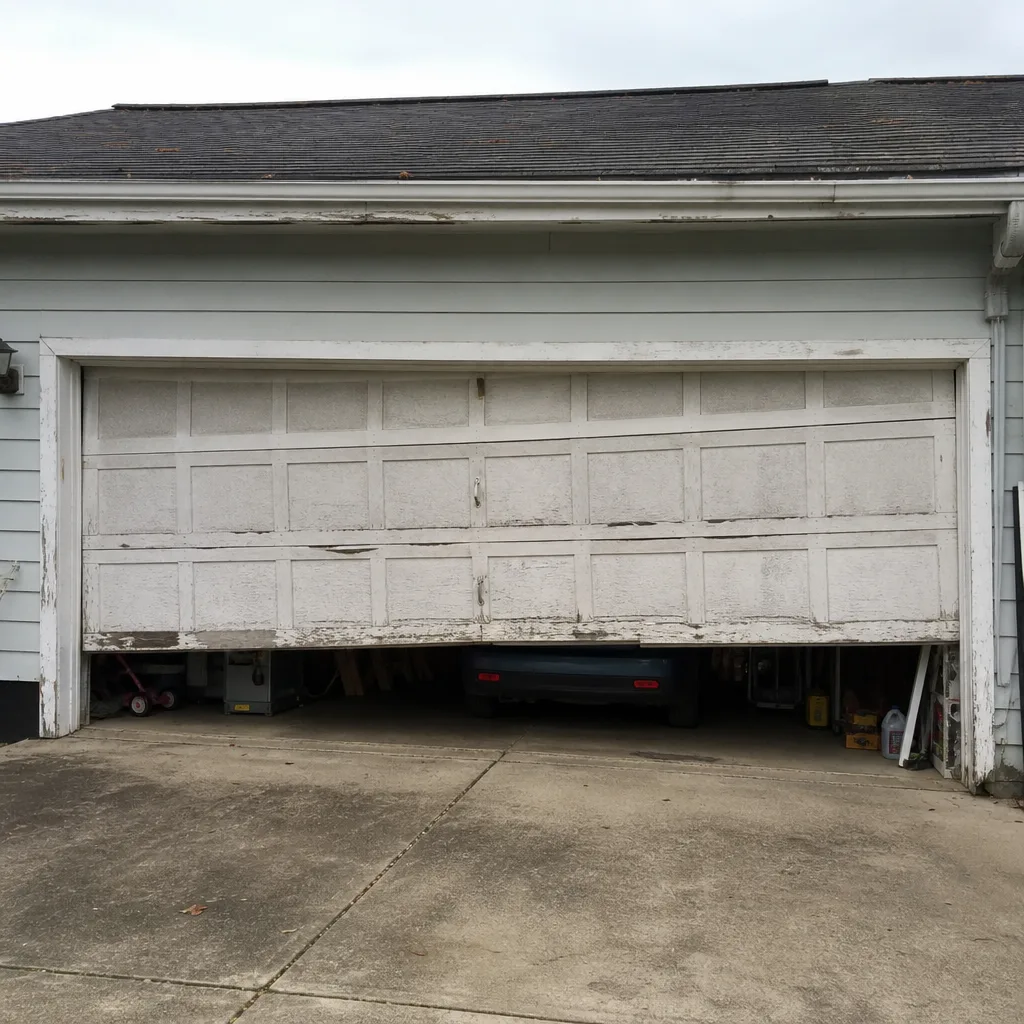 Before
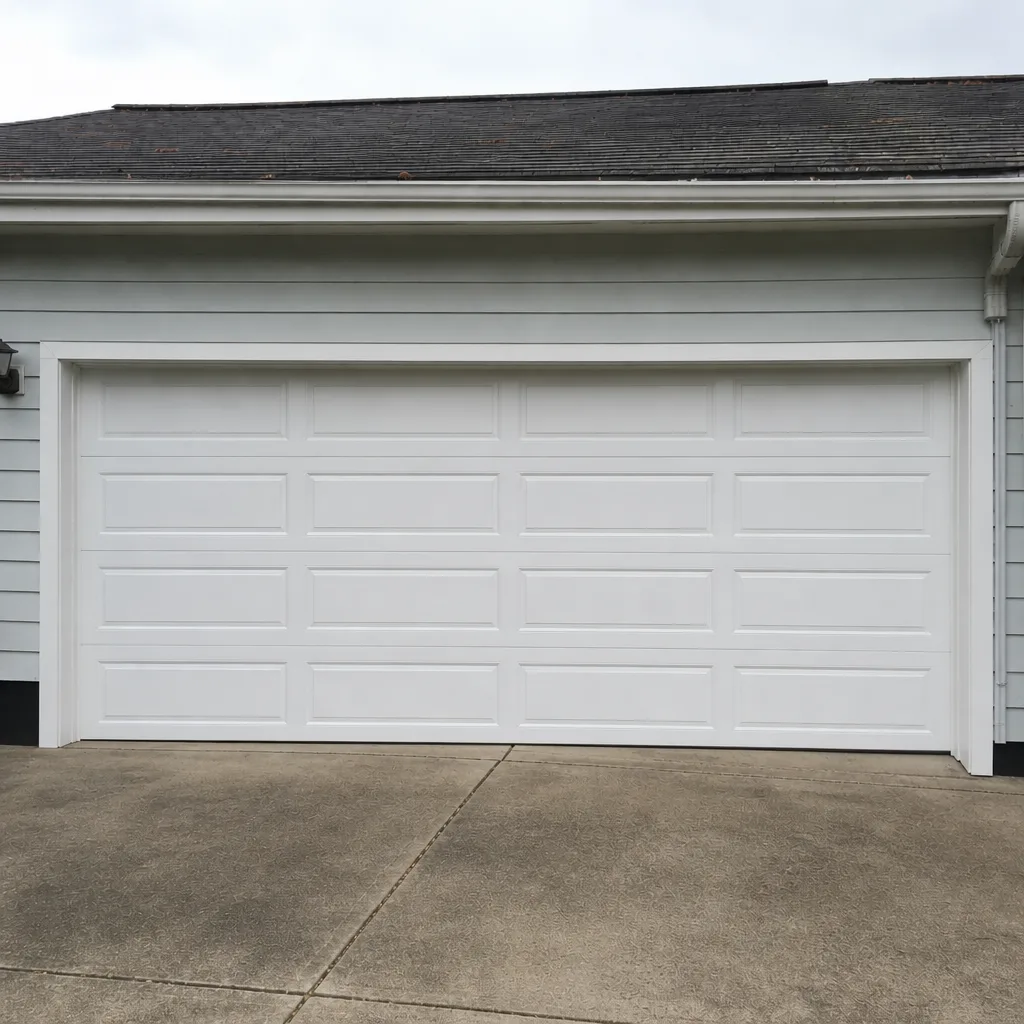 After
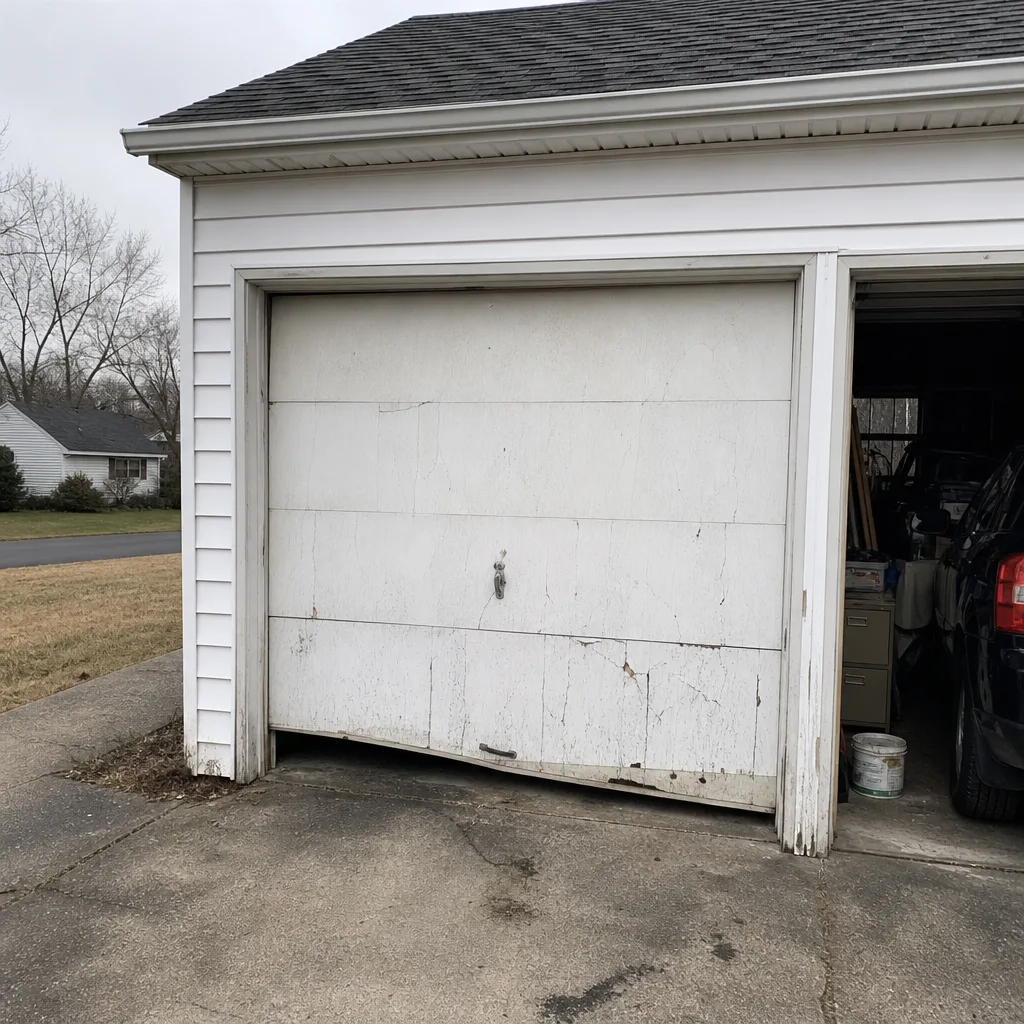 Before
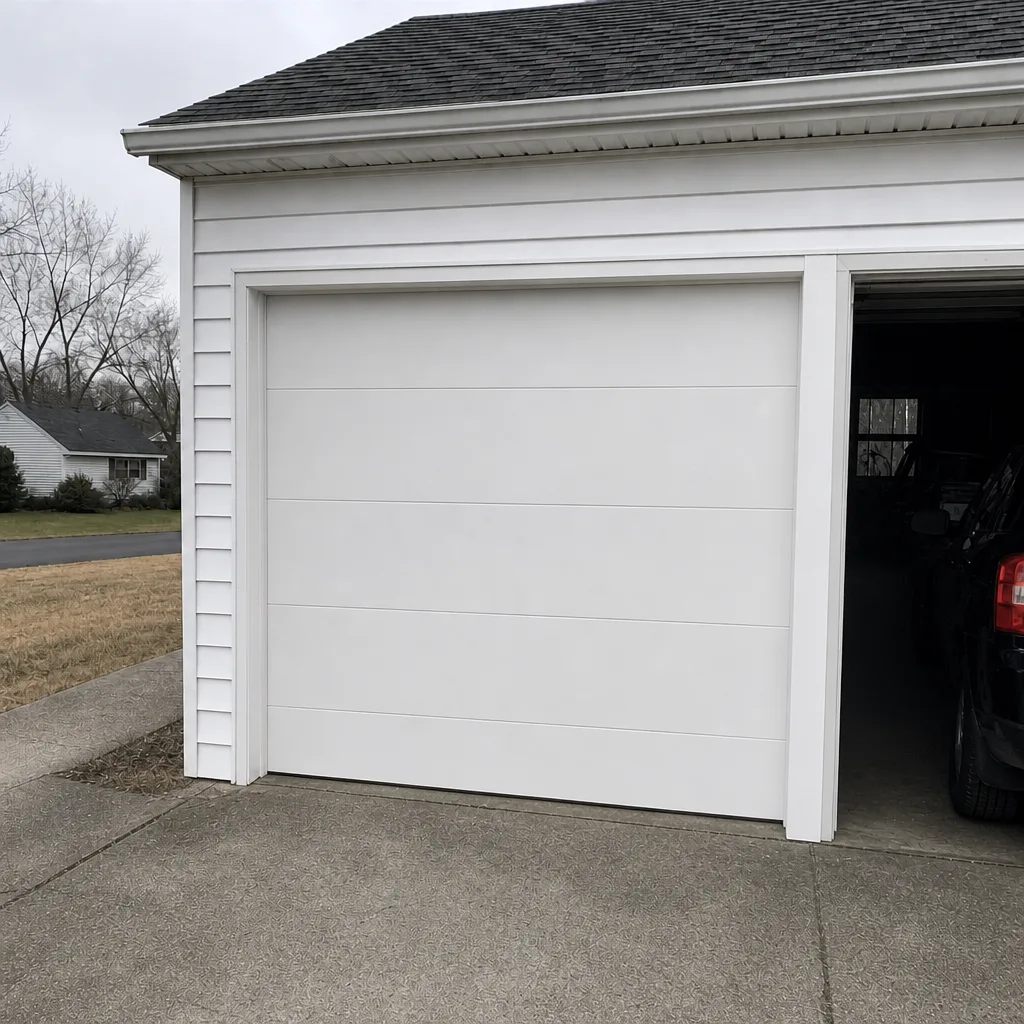 After
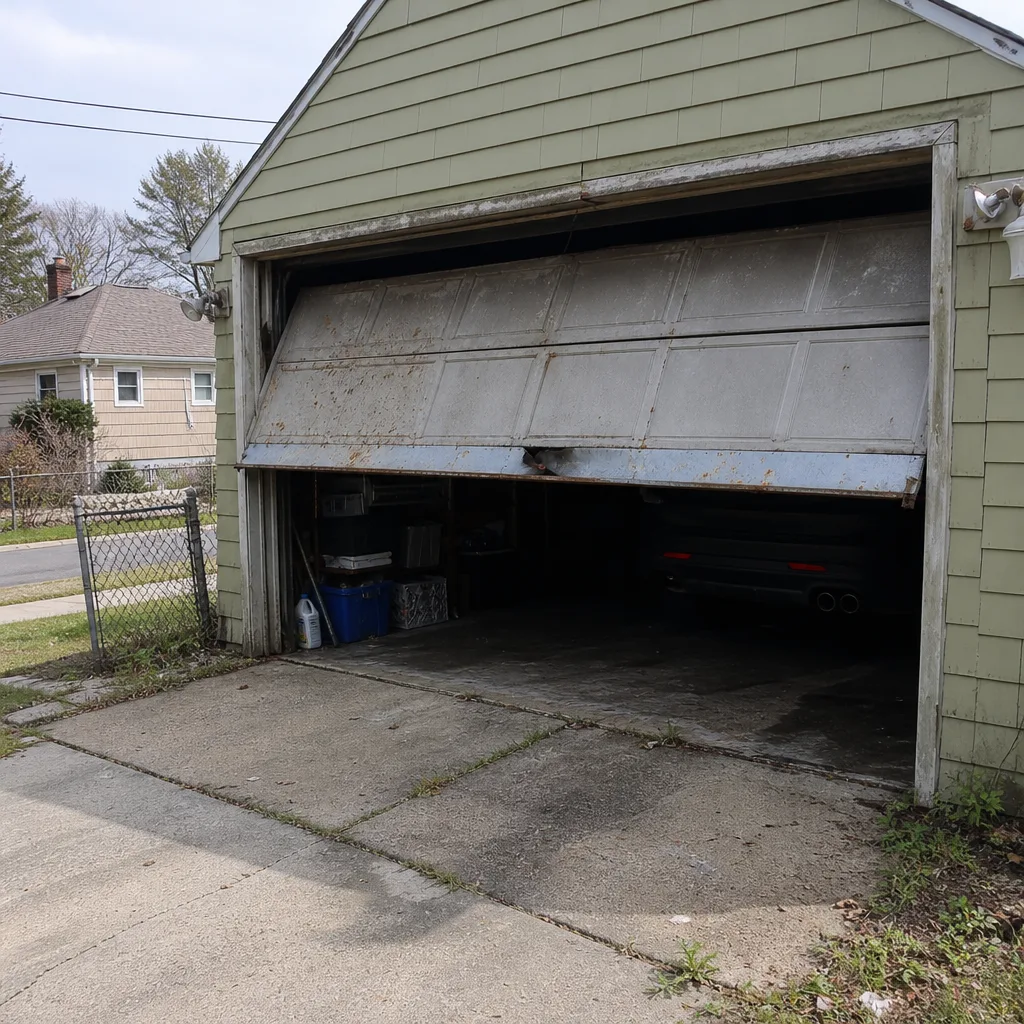 Before
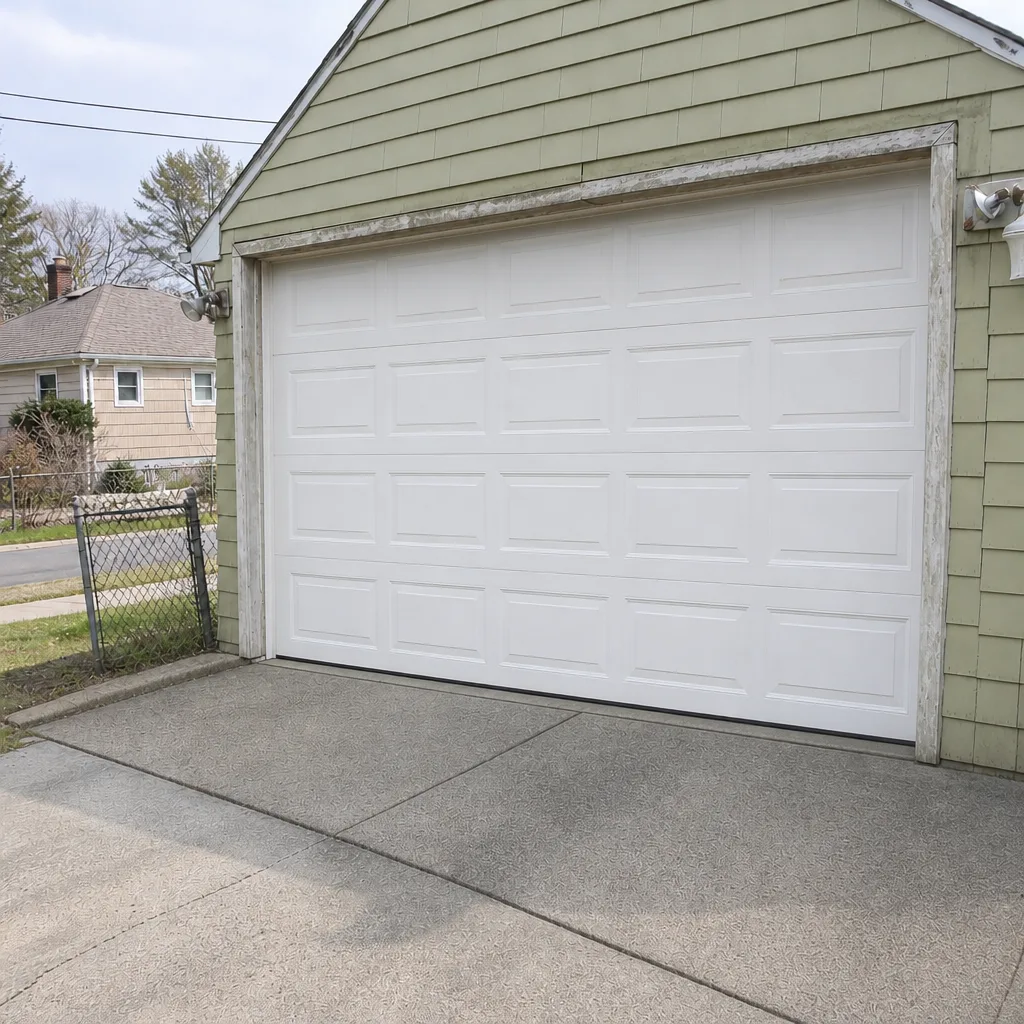 After
When to Call a Professional
Call a professional for any torsion spring or cable issue, for a door that has left its track, for a door that won’t close flush, or for an opener that trips its overload or runs hot. Those are safety items, and a trained technician is the right person for them. Call sooner rather than later for grinding from the torsion assembly, a door that reverses mid-travel, or a balance test that fails. Also call if your emergency release won’t work; you don’t want to discover that during a storm.
Brick Garage Door Repair offers free estimates in Brick Township. Call (877) 792-6059. We answer 24/7. Fast dispatch from 7am to 7pm, Sunday through Friday. Our technicians have up to 8 years of experience and work on the brand you already own, including Clopay, Amarr, Wayne Dalton, and Craftsman systems. We connect you with a licensed, insured local professional, and the written estimate sets the price before any work starts. Whether it’s a garage door spring repair or a full new-door install, one call covers it all.
Frequently Asked Questions
A door that won’t stay halfway up when lifted by hand is usually the first reliable sign that the springs are weakening. After that, the sounds start: grinding from the torsion assembly, a low pop, or a door that reverses before it closes. If the balance test fails, stop operating the door and schedule a service call. Call (877) 792-6059 for a free estimate.
No. Grinding from above the door is usually the torsion bearing plate or the torsion tube, not the opener. Squealing tends to be rollers and hinges. A single loud pop usually means a torsion spring has broken. The location and character of the noise determine which component is at fault, and the repair cost differs significantly between them. Call (877) 792-6059 for a diagnosis.
Rust along the bottom edge of the door, or at the bottom bracket, is the location that matters. Any rust there that has eaten through the metal or softened the panel is a replacement trigger, not a cosmetic issue. Surface rust on the painted face of a panel is usually manageable. Call (877) 792-6059 for a free assessment.
Temperature swings, humidity, and aging door hardware all force the opener to carry load the springs should be carrying. A door that’s out of balance puts extra strain on the motor every cycle. Fixing the door balance first is cheaper than replacing an opener and then finding the real cause. Call (877) 792-6059 for a free estimate.
No, not safely. Torsion springs are under extreme tension and can cause serious injury if handled without the right tools and training. This is the most hazardous job on a garage door. Our technicians perform spring repair in-house rather than subcontracting it. Call (877) 792-6059 for a free estimate.
Stop using the door and call for service. A release that won’t pull points to a seized trolley or a mechanical issue that will leave you stuck during a power outage. Testing the release once a month catches the problem early. Call (877) 792-6059. We answer 24/7. Fast dispatch from 7am to 7pm, Sunday through Friday.
The Bottom Line
Most garage door failures give you weeks of warning. The grinding, the squeal, the rust bubbling at the bottom edge, the balance test that fails: each is a message from a specific component. Read the sound, check the rust location, run the balance test, and test the emergency release once a month. Then call a trained technician for anything on the “call now” list, and don’t try to adjust a torsion spring yourself. If you’re not sure what you’re hearing, Brick Garage Door Repair offers free estimates in Brick Township. Call (877) 792-6059 to have it checked before it turns into a bigger repair.
Written by the team at Brick Garage Door Repair.