
Last updated November 22, 2026
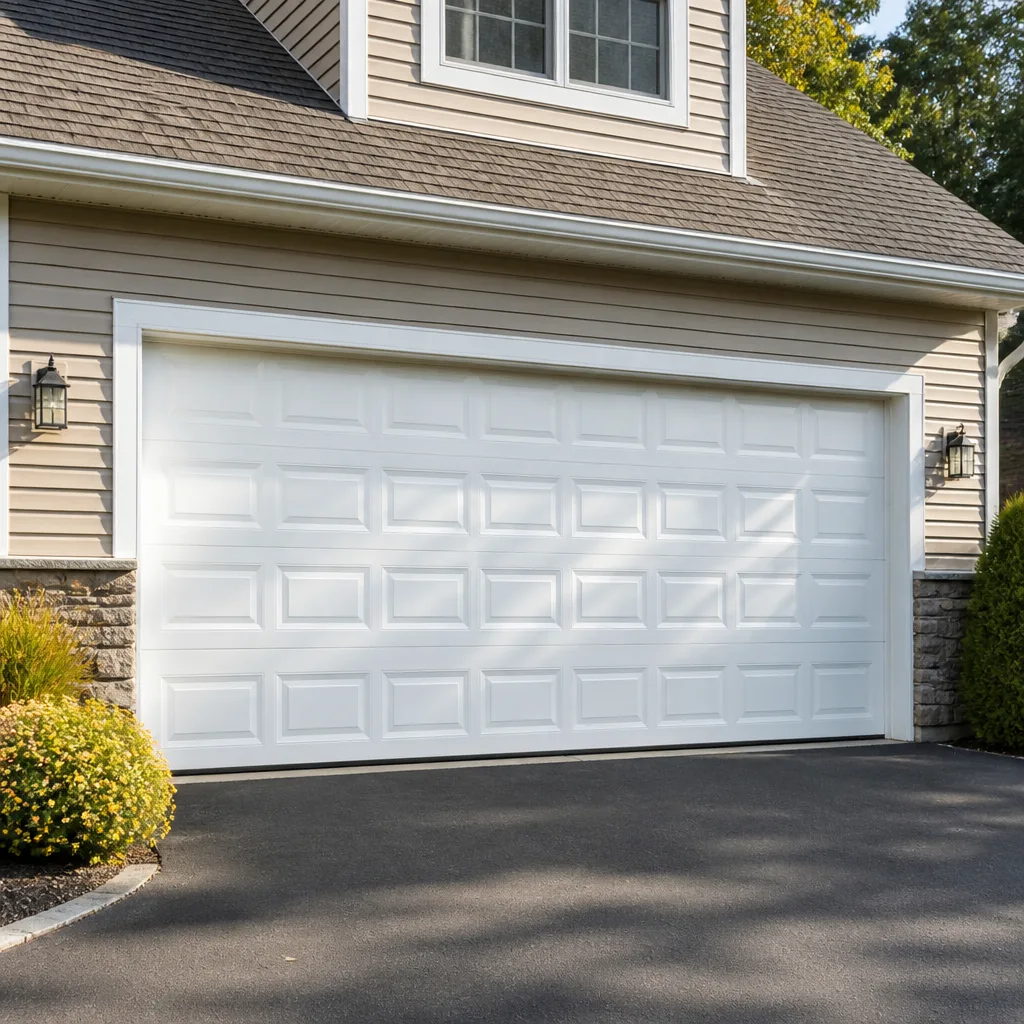 Raised-panel steel
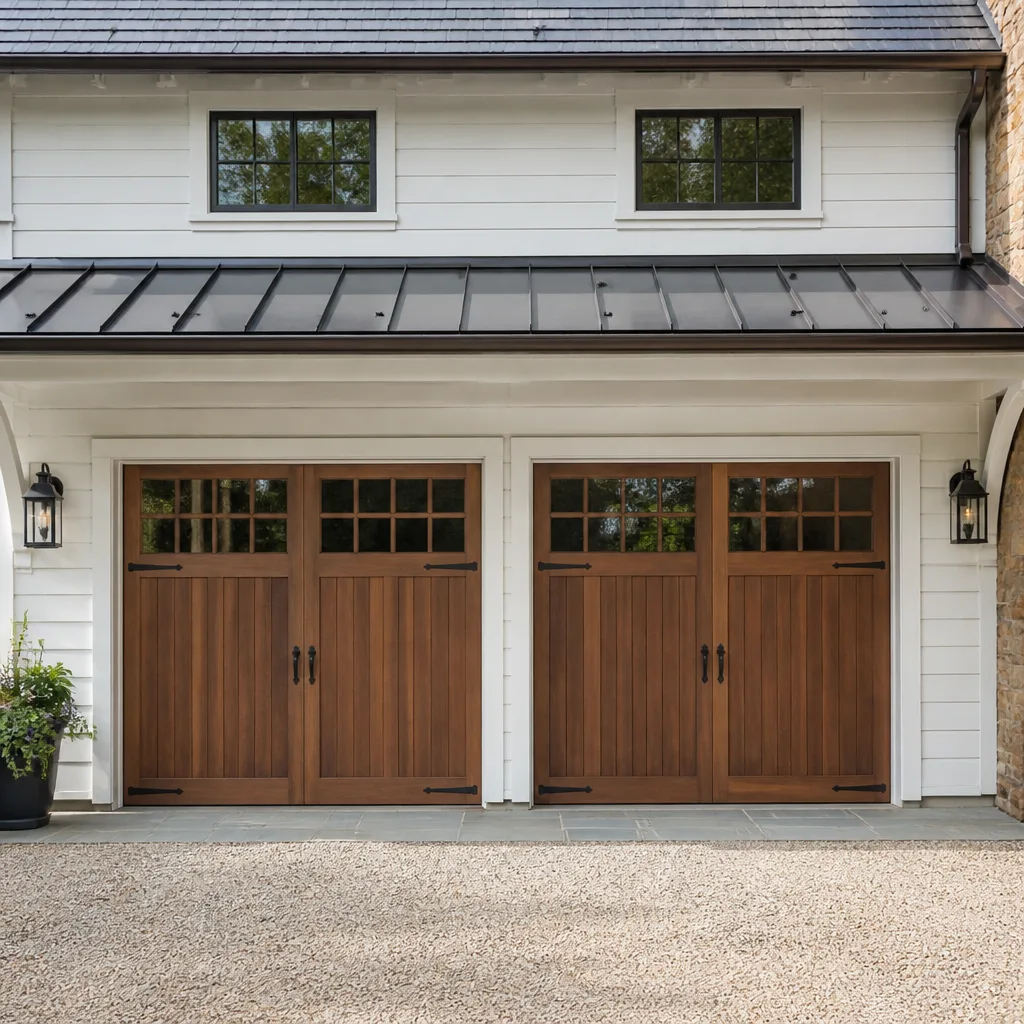 Carriage house
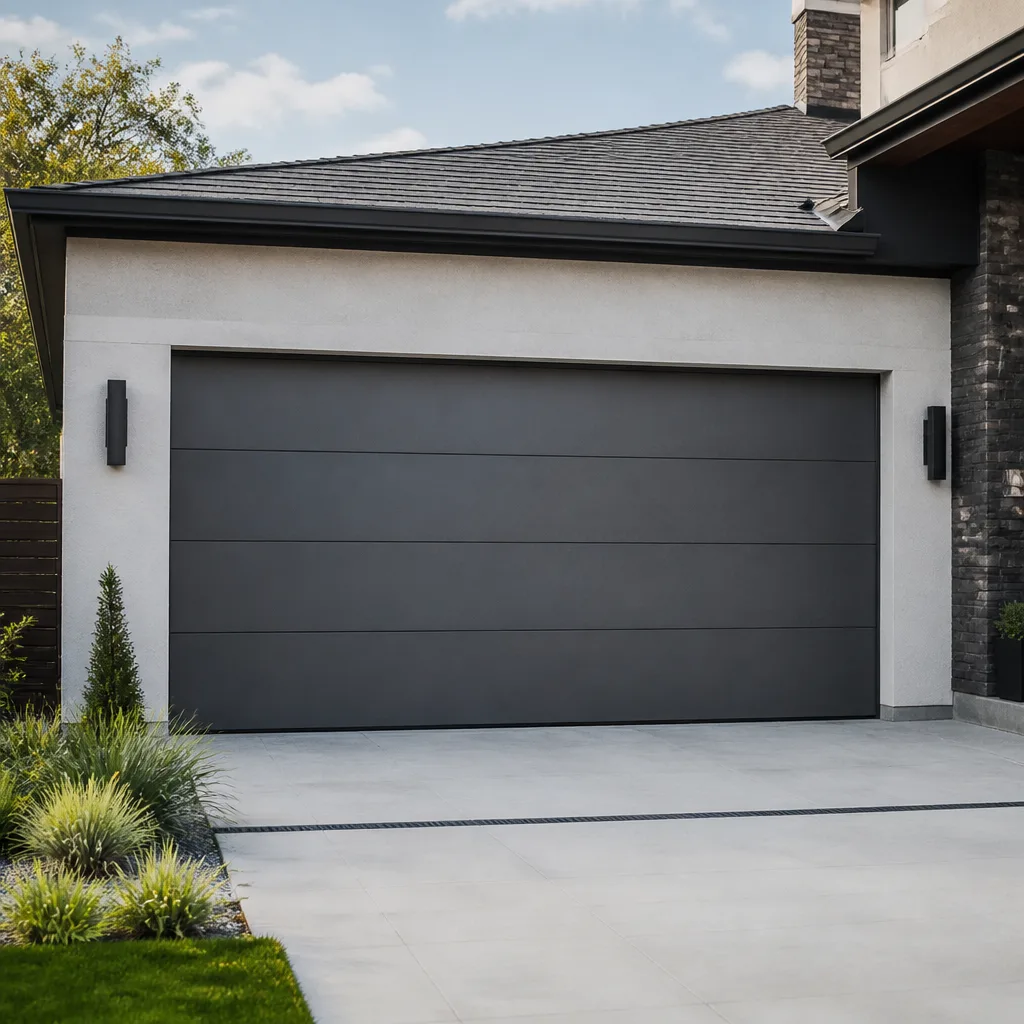 Modern flush
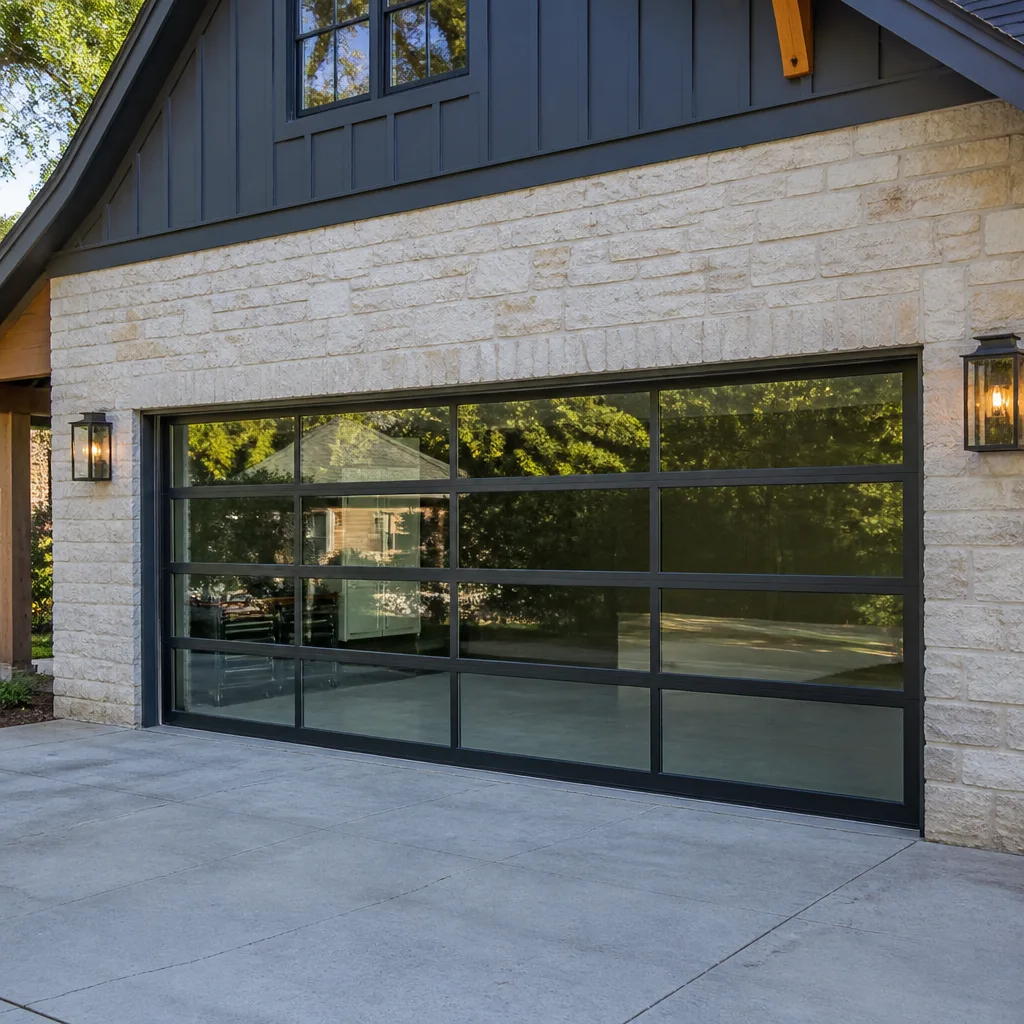 Full-view glass
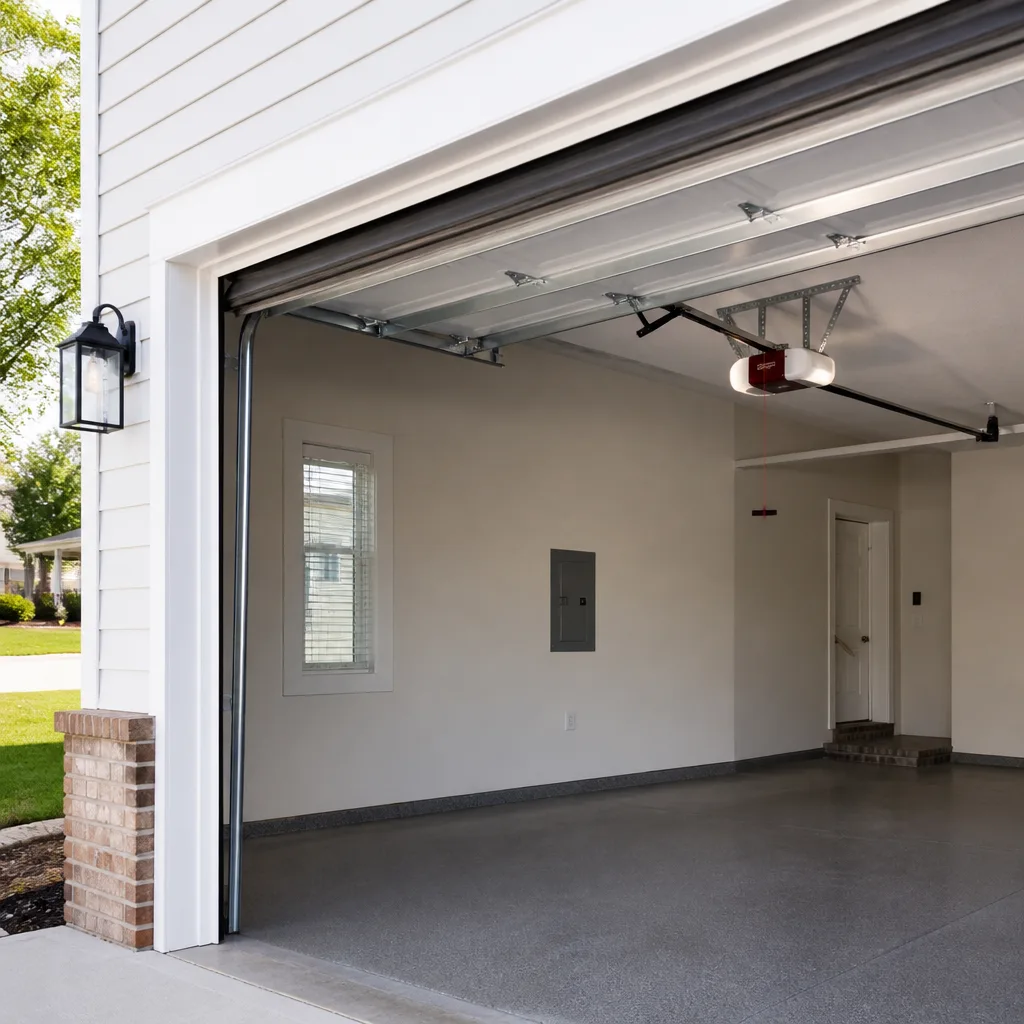 LiftMaster openers
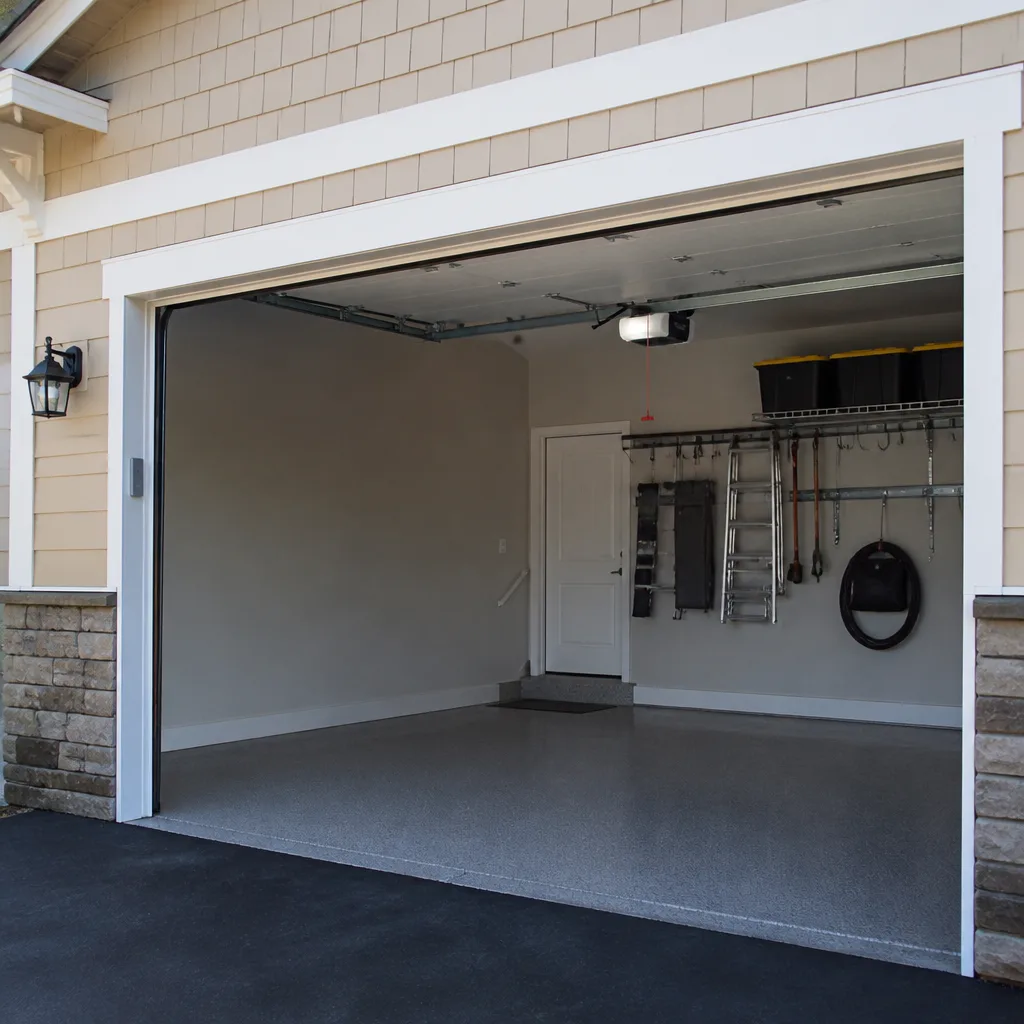 Chamberlain openers
Full 25-point door and opener safety check with every visit - springs, cables, rollers, tracks, and your LiftMaster or Chamberlain opener included
You get a price before we start. It does not change when the pro arrives.
Get your free estimateGarage Door Emergency Preparedness Guide for Brick Township Homes
Most garage door emergencies in Brick Township don’t start with a broken part. They start with a door that was never set up to be opened by hand. When a nor’easter takes the power out and a car is stuck inside, the homeowner who can calmly disengage the door and lift it is the one who gets to work on time. The homeowner who can’t is the one calling around while a door sits locked and a house sits open. This guide covers what breaks, what to do in the first ten minutes, and how to build a small, cheap kit that bridges the gap between a failure and a service call. Everything below assumes one thing: preparation beats panic, and it takes an afternoon.
Quick Answer
A garage door emergency in Brick Township is best handled in a fixed sequence: secure the opening first, confirm whether the door can be moved by hand safely, then call for repair. The single most important preparation is testing your manual release cord while the power is on, before you need it. Spring failures and storm damage should never be forced open. We answer 24/7, and a call outside dispatch hours is booked into the next opening, Sunday through Friday, 7am to 7pm.
Styles & brands we work with
- Raised-panel steel
- Carriage house
- Modern flush
- Full-view glass
- LiftMaster openers
- Chamberlain openers
Table of Contents
- Pre-Storm Protocol for Ocean County Wind Events
- How the Emergency Release Works and Why It Fails
- When a Torsion Spring Snaps at Night
- Power Outages: What to Do in the First Ten Minutes
- Is the Door Safe to Operate After a Storm?
- Building a Garage Door Emergency Kit
- Why Brand Knowledge Matters in an Emergency
- Common Mistakes to Avoid
Pre-Storm Protocol for Ocean County Wind Events
Wind is the part of a nor’easter that stresses a garage door, and Brick Township sits in a stretch of Ocean County where a wide, single-car or double-car door can act like a sail. The job before the storm isn’t weatherstripping. It’s making sure the door is mechanically locked from the inside and that nothing in the tracks can jam it shut mid-event.
Here’s the order we recommend when a storm is forecast:
- Lock the door from the inside. Most openers have a manual lock or a vacation lockout that keeps the door from being lifted from outside. On a door without an opener, a deadbolt-style slide lock through the track is the strongest hold you have. This matters more than new weatherstripping because a locked door resists wind lift; a strip of rubber does not.
- Clear the tracks and the floor. Loose gravel, a kid’s bike, or a shovel leaning on a track becomes a jam when the door tries to close. Jams are the second most common storm-related call we take.
- Check the rollers by hand. With the door down, look at the rollers and hinges for cracks. A roller that’s already split tends to fail under the extra load of a windy night.
- Take the car out if you can. If the storm is predicted to bring limbs down, park outside the path of the door. A door that won’t open is a problem. A door that opens onto a fallen branch is worse.
- Know where your release cord is. Walk to it, hold it, and confirm it’s not tangled or cut. We cover this in the next section.
A word on the structure itself: a garage door is part of a home’s wind envelope, and Brick Township properties vary from slab-on-grade to homes on pilings. If you’re unsure how your door is anchored, that’s a question for a technician, not a guess. We work on the brand you already own, whether that’s a Clopay steel door on a newer build or a LiftMaster opener on an older one.
How the Emergency Release Works and Why It Fails
The emergency release is a cord hanging from the trolley on your opener rail. Pulling it disconnects the door from the opener motor so you can lift the door by hand. It fails for a simple reason: nobody tests it. When a technician installs or replaces an opener, the cord gets pulled, reconnected, and then left alone for years. It can hang out of reach behind a stored ladder, snag on a shelf, or be wired so tight it won’t trip under a hand pull. During a coastal power outage, a disconnected or untested release cord is the most common reason a homeowner can’t open the door manually.
Here’s how to verify yours works while the power is still on:
- Stand inside the garage with the door fully closed and the opener disengaged. Do not stand under the door.
- Find the cord and the red or black handle. It should hang roughly six feet off the floor, within easy reach.
- Pull straight down, firmly. You should feel the trolley release and hear a click.
- Lift the door by hand, about a foot, then lower it back down slowly. It should move smoothly with reasonable effort. If it feels heavy, the springs may be near the end of their life.
- Reconnect by pulling the cord again while the opener runs, or by following your opener’s manual. Test the opener once more before you call it done.
If the release won’t trip, that’s a liftMaster, Chamberlain, Genie or Craftsman unit that needs a look before the next storm. It’s a quick fix, and it’s the difference between a door you can open by hand and a door that traps the car.
When a Torsion Spring Snaps at Night
A snapped torsion spring sounds like a gunshot and leaves the door dead weight. It usually happens on the way up, which is why you often find the door stuck partway. Do not try to force it. Springs are the most dangerous part of your garage door, and we treat them that way. A torsion spring stores enough energy to break a wrist or worse, and most of it is still loaded even after the spring has cracked.
Here’s the exact sequence that keeps your door secure and your family safe until a technician arrives:
- Leave the door where it is. If it’s partway up, do not push, pull, or prop it. A door with a broken spring can drop without warning.
- Disconnect the opener if it’s still trying to run. Pull the emergency release if it’s reachable, or unplug the opener at the wall. Don’t let the motor keep straining against a jammed door.
- Secure the opening from the inside. If the door is down and the springs are broken, it’s not going up, but it may not be locked either. Slide a manual lock or a bar through the track so nothing lifts it from outside.
- Clear the area under the door. Keep kids and pets out of the garage until it’s repaired. Do not park a car right under the door.
- Call for repair. Spring work is a same-day job in most cases. Call (877) 792-6059. We answer 24/7. A call outside dispatch hours is booked into the next opening, Sunday through Friday, 7am to 7pm.
Springs come in pairs on most doors. When one snaps, the other is usually at the same age and under the same load, so the matched pair is typically replaced together by the technicians we connect you with who have up to 8 years of experience. The written estimate will tell you what’s needed and the price is agreed before any work starts. For the full process, see our page on garage door spring repair.
Power Outages: What to Do in the First Ten Minutes
Power losses during a Brick Township nor’easter rarely last a few minutes. When the lights go out, the opener is dead and the door is holding your car. Here’s the ten-minute plan:
- Confirm it’s the house, not the opener. Check a light in an adjacent room. If the house has power, the opener has a problem, and that’s a repair call, not a manual-release job.
- Pull the release cord. Lift the door by hand and drive out if you need to. Do not leave the door half up and unattended, especially with pets or kids in the house.
- Secure the opening. Once inside again, close the door by hand and reconnect the release. Lock it from the inside if the opener’s manual lockout is engaged.
- Check the battery backup. Some LiftMaster and Chamberlain openers have a battery that raises the door a few times with no power. If yours does and it didn’t work, the battery is the likely culprit.
Once power returns, run the door through one full open-close cycle before trusting it. If the opener hums but doesn’t move, the problem may be a dead capacitor or a stripped gear, both common on older units. Our garage door opener repair page covers what those failures look like, and it’s a phone call away when you suspect one.
Is the Door Safe to Operate After a Storm?
After a storm, a garage door can look fine and still be unsafe. The question isn’t whether it opens; it’s whether the panels, tracks, hinges and springs are structurally sound enough to put a person under. Here’s how to tell.
Signs the door is likely safe to operate:
- Panels are flat, with no buckling or separation from the frame.
- Both vertical tracks are straight and plumb when you sight them.
- The door lifts and lowers at an even, slow pace with the opener.
- No gaps between the bottom seal and the floor.
- No visible bent hinges or split rollers.
Signs to leave it closed and call a professional first:
- A panel is buckled, dented, or separated from the stiles.
- The door is sitting crooked in the opening, or the track is bent.
- The springs are quiet but the door feels unusually heavy.
- You hear a grinding or scraping sound when it moves.
- A limb is resting on the top of the door or the opener rail is bent.
If any of the second list applies, don’t run the opener. A door with a damaged track can drop off the rollers, and a door with a stressed spring can fail mid-cycle. Our team can work with your insurer and will walk the door via a repair visit if needed. For the full repair process, see garage door repair.
Building a Garage Door Emergency Kit
You can cover the gap between a failure and a service call for less than $30 total. Here are the four items we recommend keeping on a shelf near the garage door, and why each one earns its place.
- LED flashlight, hand-crank or battery. Storms and outages come together, and you don’t want to find the release cord in the dark. A hand-crank light won’t need batteries you forgot to buy.
- Pair of heavy work gloves. Garage door tracks and hinges are sharp. A leather glove is the difference between a clean hand and a cut when you slide a lock through the track.
- Tube of silicone spray lubricant. Weather, grit and salt-track buildup dry out rollers. A quick spray on the rollers and hinges, not the track itself, keeps the door moving smoothly during the periods between service visits.
- Brightly colored zip tie or a short length of reflective cord. Tied to the release handle, it makes the cord visible in the dark and easier to find by feel when the garage is black.
Total cost is small. The kit does one thing: it lets a prepared homeowner secure the door, get the car out, and call a technician with a clear head. That’s most of the battle. For anything the kit can’t solve, our Brick Garage Door Repair team handles repair, installation, and emergency work under one name.
Why Brand Knowledge Matters in an Emergency
A garage door failure is not generic. A LiftMaster opener with a stripped gear behaves differently from a Chamberlain unit with a bad travel limit, and a Clopay steel door with a bent bottom section takes a different repair path than a wood-door system from Wayne Dalton. In an emergency, that difference shows up in how fast a technician can diagnose the problem and get the right part.
The technicians we connect you with are familiar with eight major brands: LiftMaster, Chamberlain, Genie, Clopay, Amarr, Wayne Dalton, Craftsman and Raynor. That range matters for Brick Township homes, where a single street can hold a mix of new builds and older homes, and where the original opener and door may be from different manufacturers entirely. Brand knowledge means we fix what you have instead of pushing a replacement. It also means we can tell you honestly when a repair no longer makes sense, and quote a new door installation from garage door installation if that’s the right call. This is the same scope you’ll see on every page of our site: opener repair, spring repair, full installation and emergency work all handled by one team, with the local pro licensed and insured as their state requires.
Common Mistakes to Avoid
- Testing the release cord for the first time during an outage. Test it with the opener running and the door closed. If it doesn’t trip cleanly, get it serviced before you need it. A stuck release turns a five-minute problem into a trapped car.
- Forcing a door with a broken spring. Springs are the most dangerous part of the system. A door with a snapped spring should never be pushed or pulled by hand. Leave it where it is and call for help.
- Assuming a power outage means the opener is broken. When the lights come back on, run the door once. If the opener hums and doesn’t move, that’s a separate repair, not storm damage. Many Brick Township homeowners replace openers unnecessarily after a nor’easter.
- Relocking the door without checking the bottom seal after a storm. Wind can lift a door just enough to break the seal or pull the bottom astragal out of alignment. If the seal doesn’t sit flat, the door needs a look before you call it secured.
- Using WD-40 or grease on the tracks. Silicone spray on rollers and hinges is the right product. Grease attracts grit and jams the door over time. It’s a small mistake with a long tail.
- Parking a car directly under a damaged door. If the door is crooked, bent or stuck partway, move the car out if you can. A door that fails in the night and drops on a hood is a much worse morning.
- Skipping the lock check after a storm. A garage door that lifts six inches from the outside is a security problem. Walk outside after a storm and try the handle from the outside, then relock from within if it moves.
See the difference
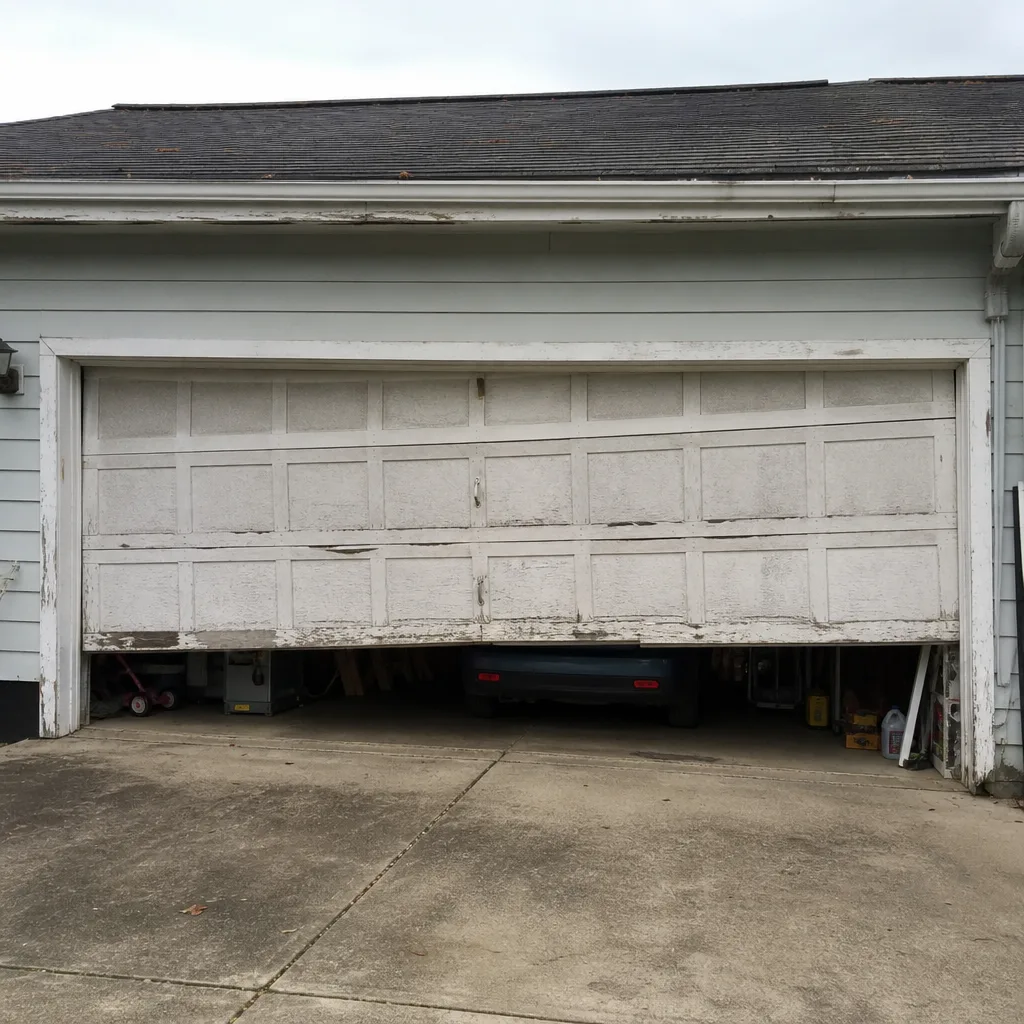 Before
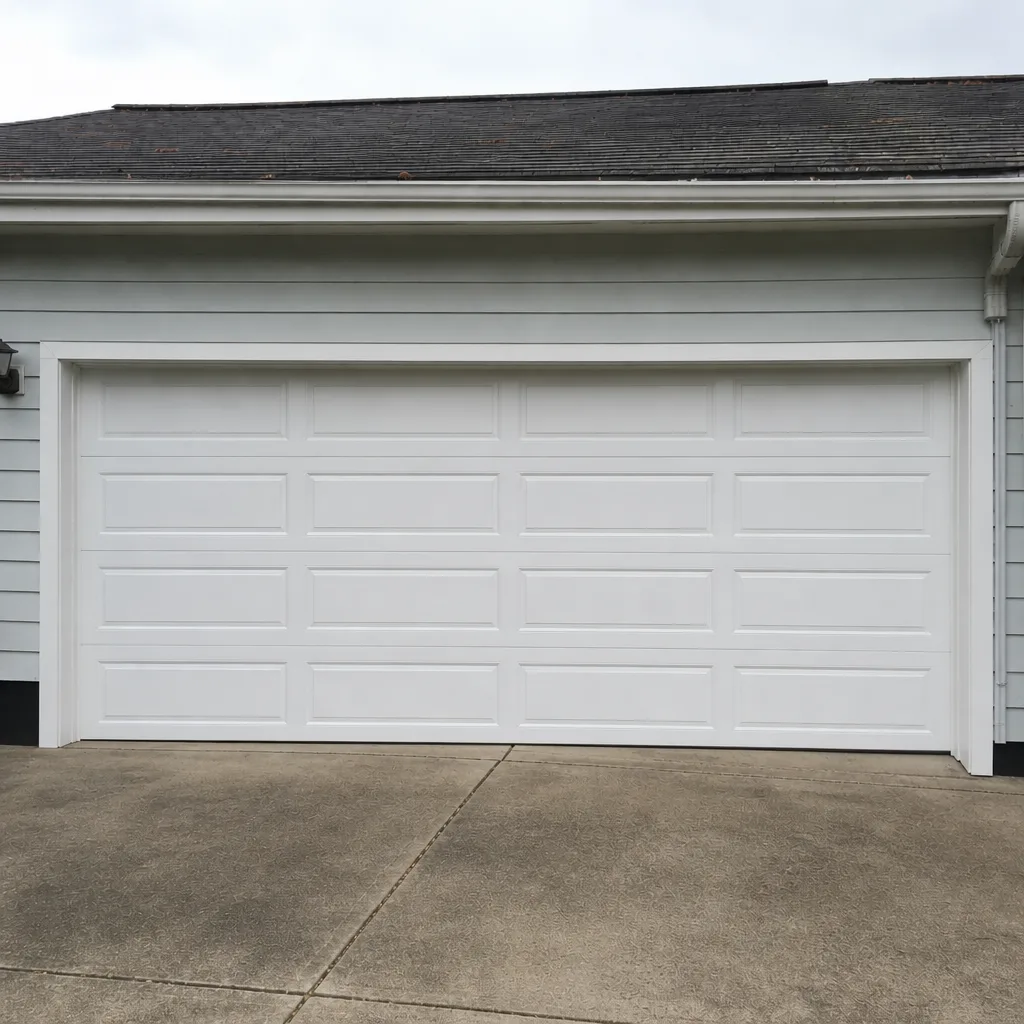 After
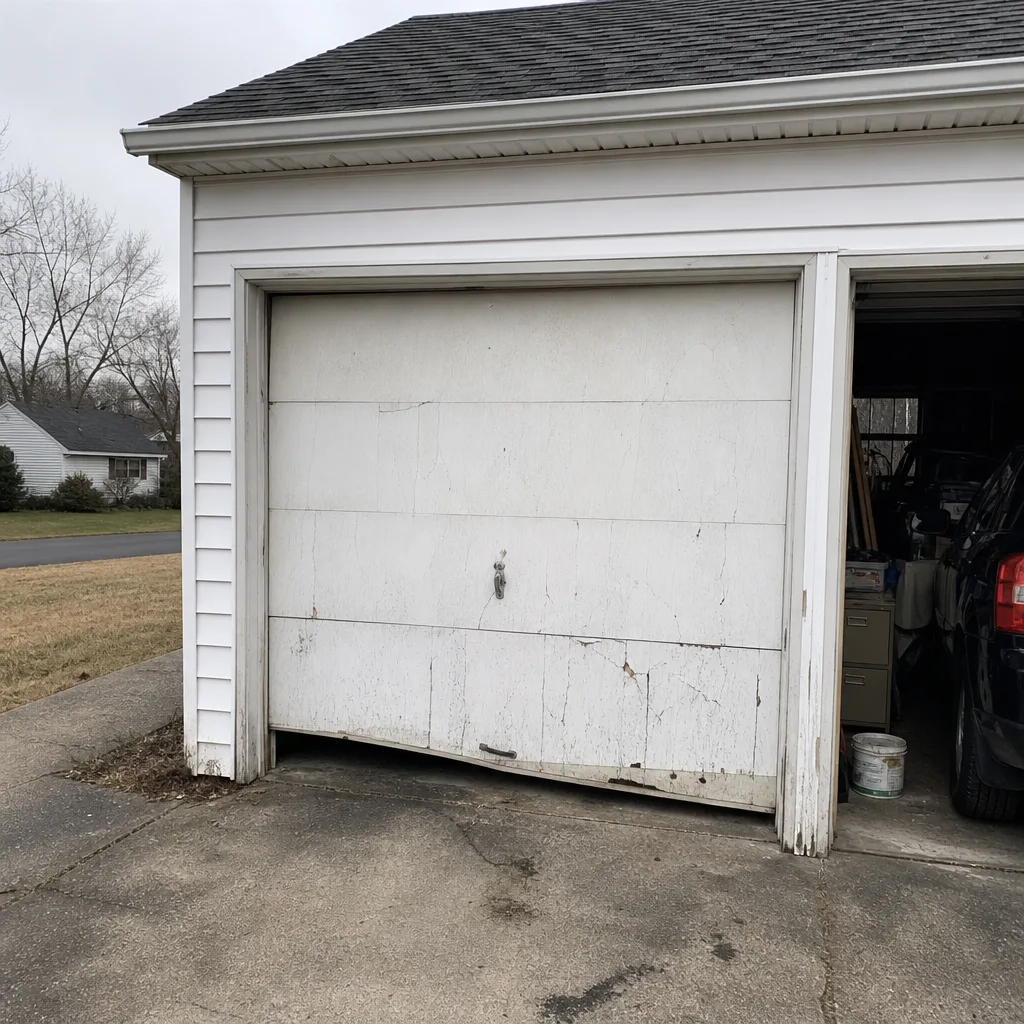 Before
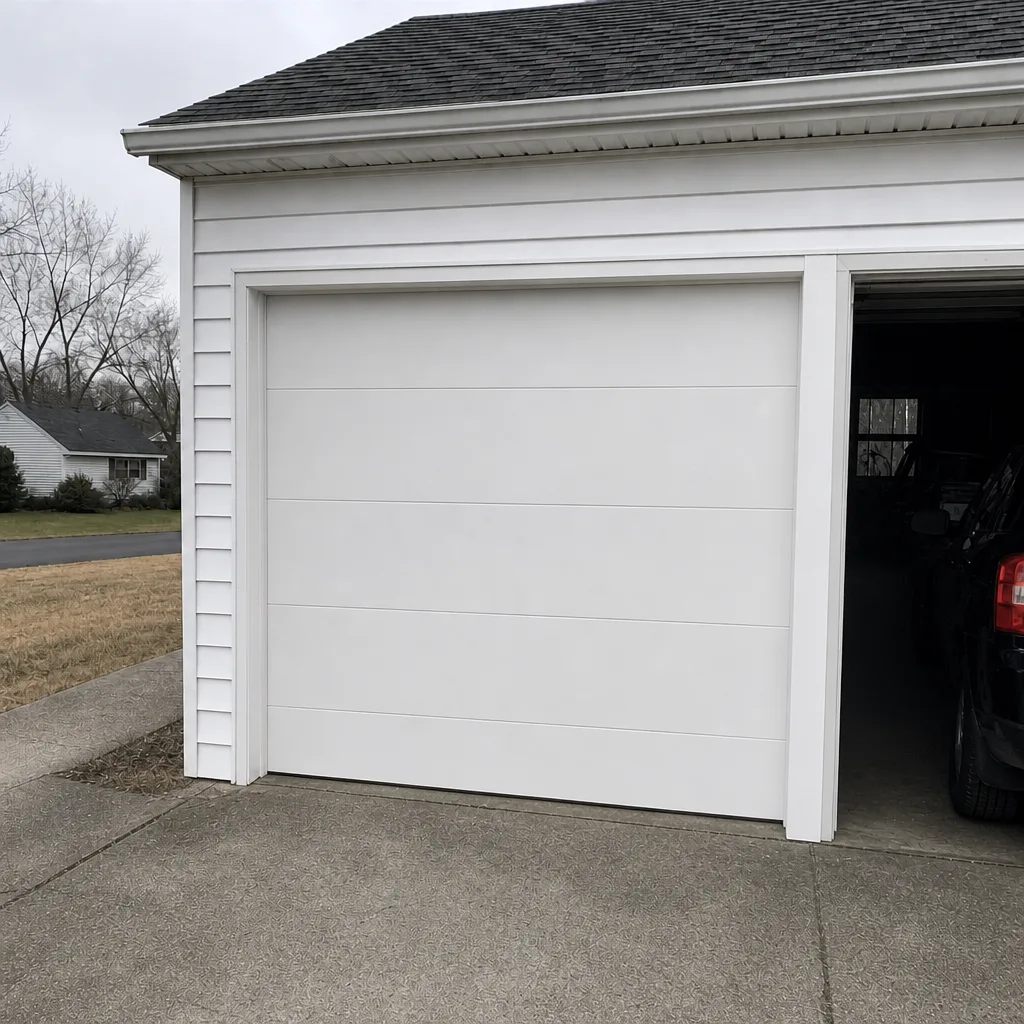 After
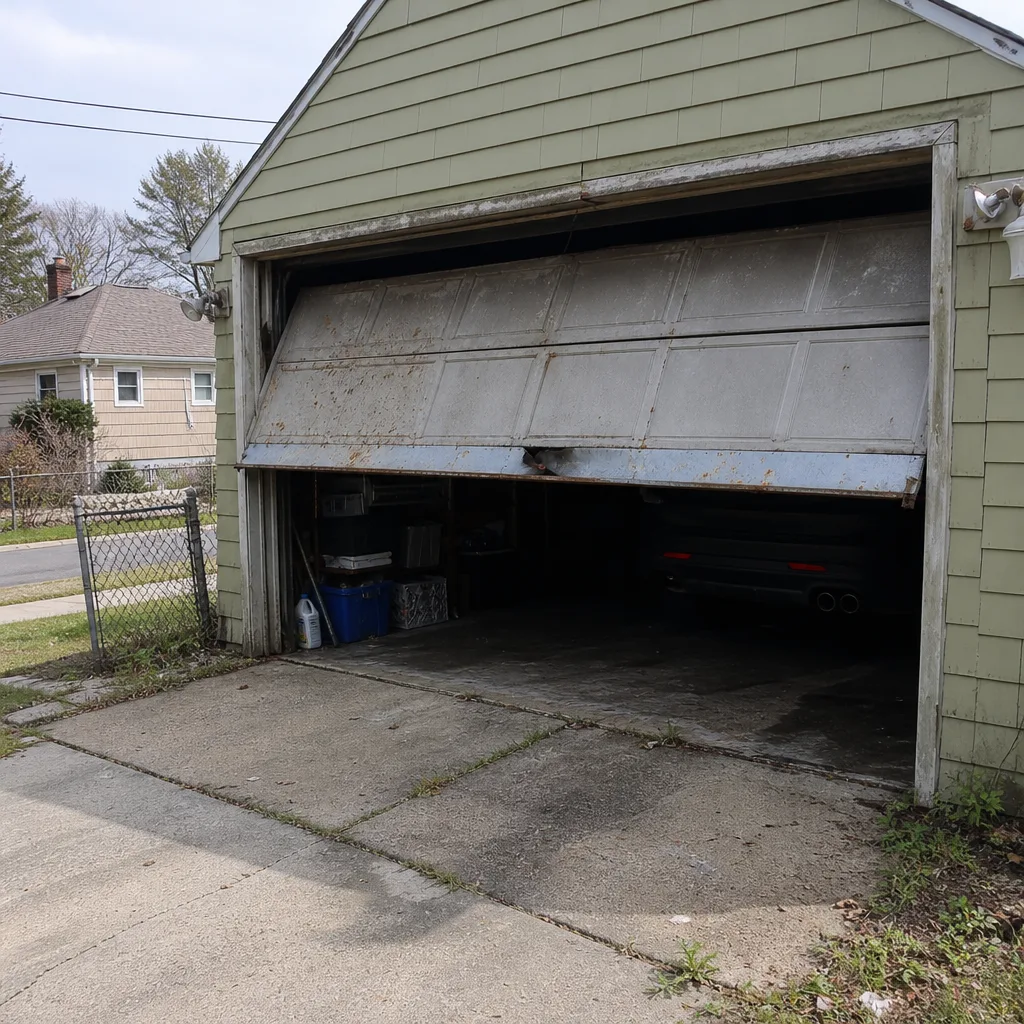 Before
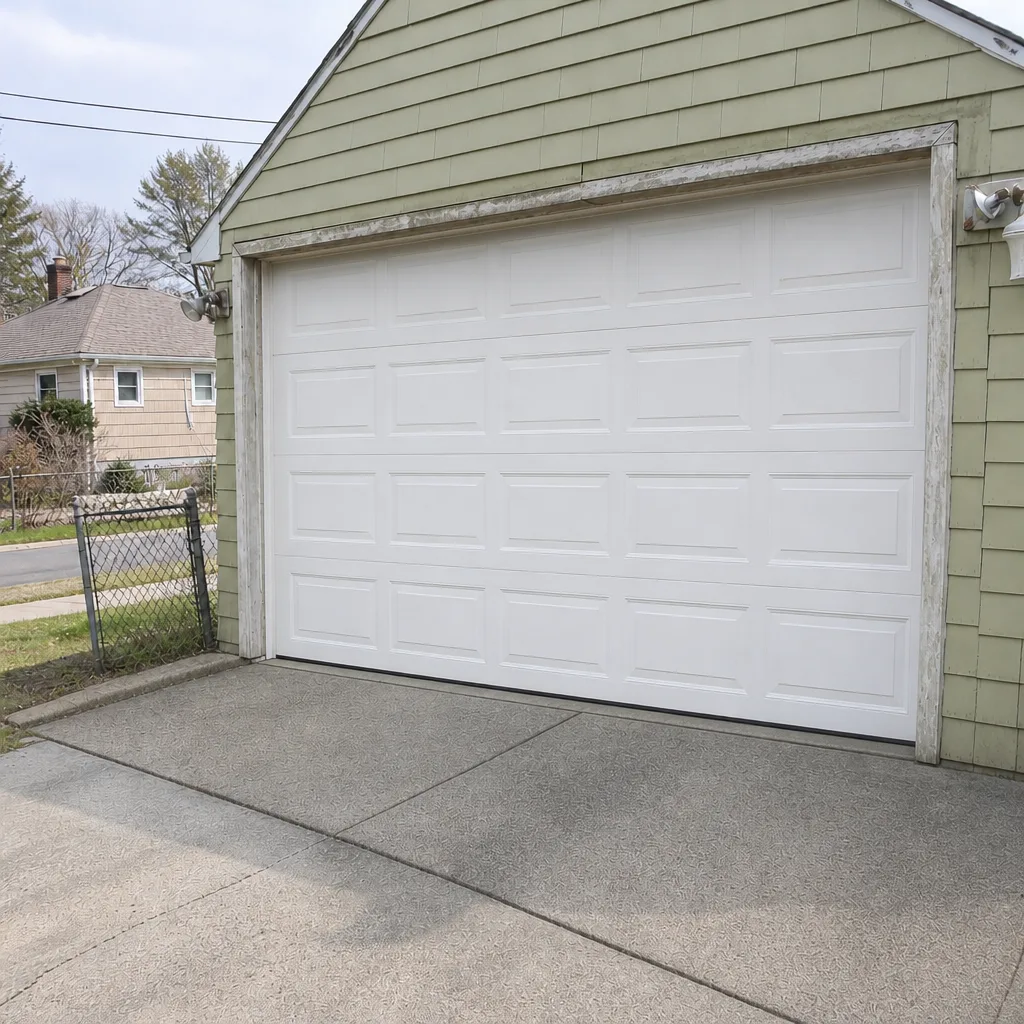 After
When to Call a Professional
Call us for any of the following: a snapped torsion spring, a door that won’t open or close, an opener that hums without moving, a door that has come off its track, a bent or buckled panel, a storm-damaged seal or bottom section, and any door that has stopped responding to the remote. Also call if your release cord won’t trip, if the door feels unusually heavy, or if you hear grinding. These are the failures that turn into structural or security problems when forced. Brick Garage Door Repair offers free estimates in Brick Township. Call (877) 792-6059 for a free estimate. We answer 24/7. Fast dispatch from 7am to 7pm, Sunday through Friday. Spring work and emergency repair are both same-day in most cases, and the price is quoted and agreed before any work starts.
Frequently Asked Questions
Pull the emergency release cord hanging from the trolley, lift the door by hand, and drive out. Test that release cord today, before you need it. A release that hasn’t been checked in years often won’t trip, and that’s the most common reason a Brick Township homeowner gets stuck during an outage. Call (877) 792-6059 for an exact quote on a release or opener repair; estimates are free.
Leave the door where it is, disconnect the opener if it’s still trying, and secure the opening from inside. Do not push or pull a door with a broken spring. Springs hold stored energy and can fail without warning, so a trained technician should handle the repair. Call (877) 792-6059. We answer 24/7. A call outside dispatch hours is booked into the next opening, Sunday through Friday, 7am to 7pm.
Yes, in several common cases. A door with a bent track, a buckled panel, or a stressed spring can drop off the rollers or fail mid-cycle when the opener runs. If the door is crooked, dents, or sounds wrong, leave it closed and call for a repair visit. Call (877) 792-6059 for an exact quote; estimates are free.
Yes, for repair and emergency work in Brick Township. We answer 24/7 and fast dispatch runs 7am to 7pm, Sunday through Friday. Same-day service is common for springs and opener failures. New door installations are measured, ordered, and scheduled, so those get a free measure and a written price. Call (877) 792-6059 for an exact quote; estimates are free.
The local pro is licensed and insured as their state requires. Our technicians have up to 8 years of experience, and they’re familiar with LiftMaster, Chamberlain, Genie and the other major brands installed across Ocean County. Call (877) 792-6059 for an exact quote; estimates are free.
No. The written estimate sets the price, and it’s quoted and agreed before any work starts. There is no separate charge for the estimate. If the job turns out to be different than described on the phone, we tell you the revised price before we start, and you decide. Call (877) 792-6059 for an exact quote; estimates are free.
That’s usually the opener’s battery backup or a dead unit, not the door. Check the manual release first. If the door lifts by hand, the door is fine and the opener needs repair. Call (877) 792-6059. We answer 24/7. A call outside dispatch hours is booked into the next opening, Sunday through Friday, 7am to 7pm.
Repair is usually the right call for a single bent panel, a damaged seal, or a bent track. Replacement makes more sense when multiple sections are damaged or the door is already past its useful life. A repair visit and a free measure will give you both answers in writing, so you can compare. Call (877) 792-6059 for an exact quote; estimates are free.
The Bottom Line
Garage door emergencies in Brick Township are mostly a matter of what you did before the storm, not what you do during it. Test your release cord while the power is on. Lock the door from the inside when wind is forecast. Leave a broken spring alone. Keep a small kit with a light, gloves, silicone spray and a bright marker for the handle. And know the number to call when the problem is beyond what you can do safely. That number is (877) 792-6059. We answer 24/7. Fast dispatch from 7am to 7pm, Sunday through Friday. Free estimates, and the written price is agreed before any work starts.
Written by the team at Brick Garage Door Repair.