
Last updated November 22, 2026
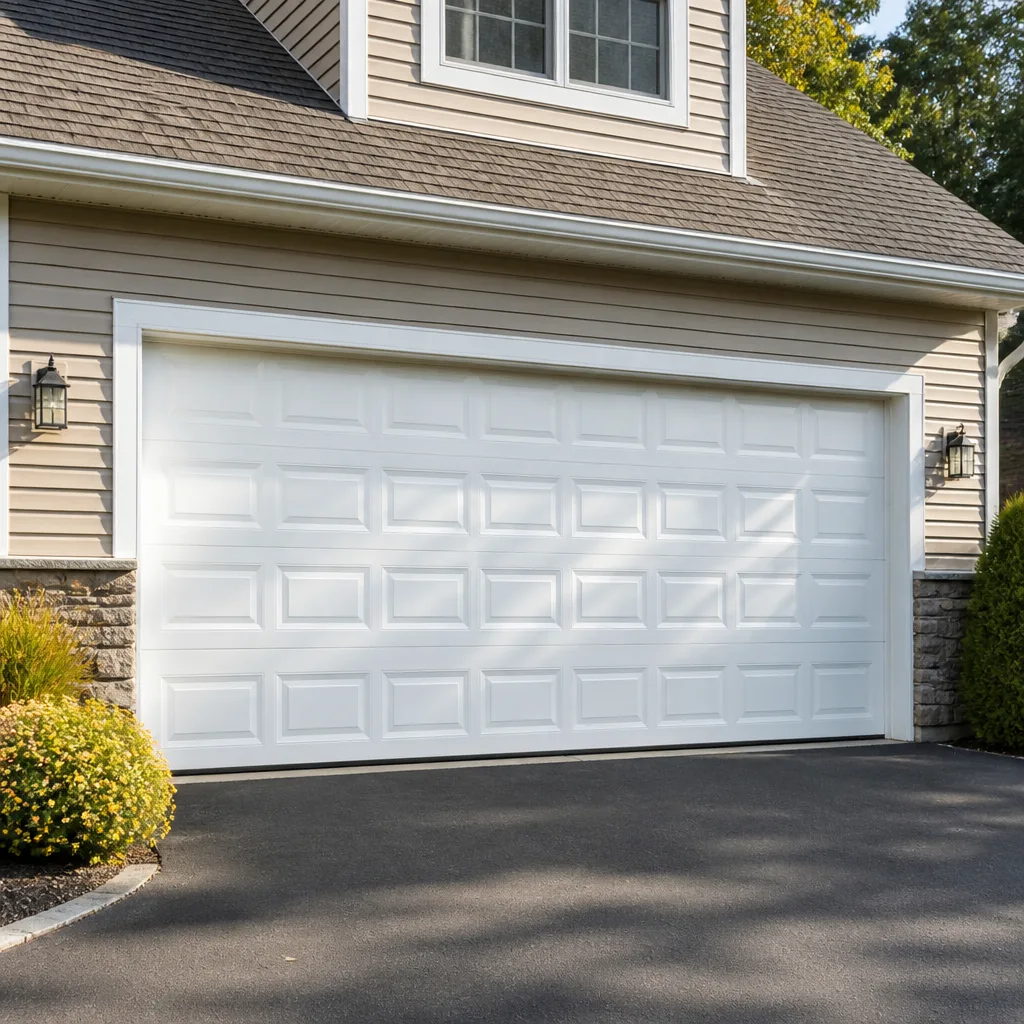 Raised-panel steel
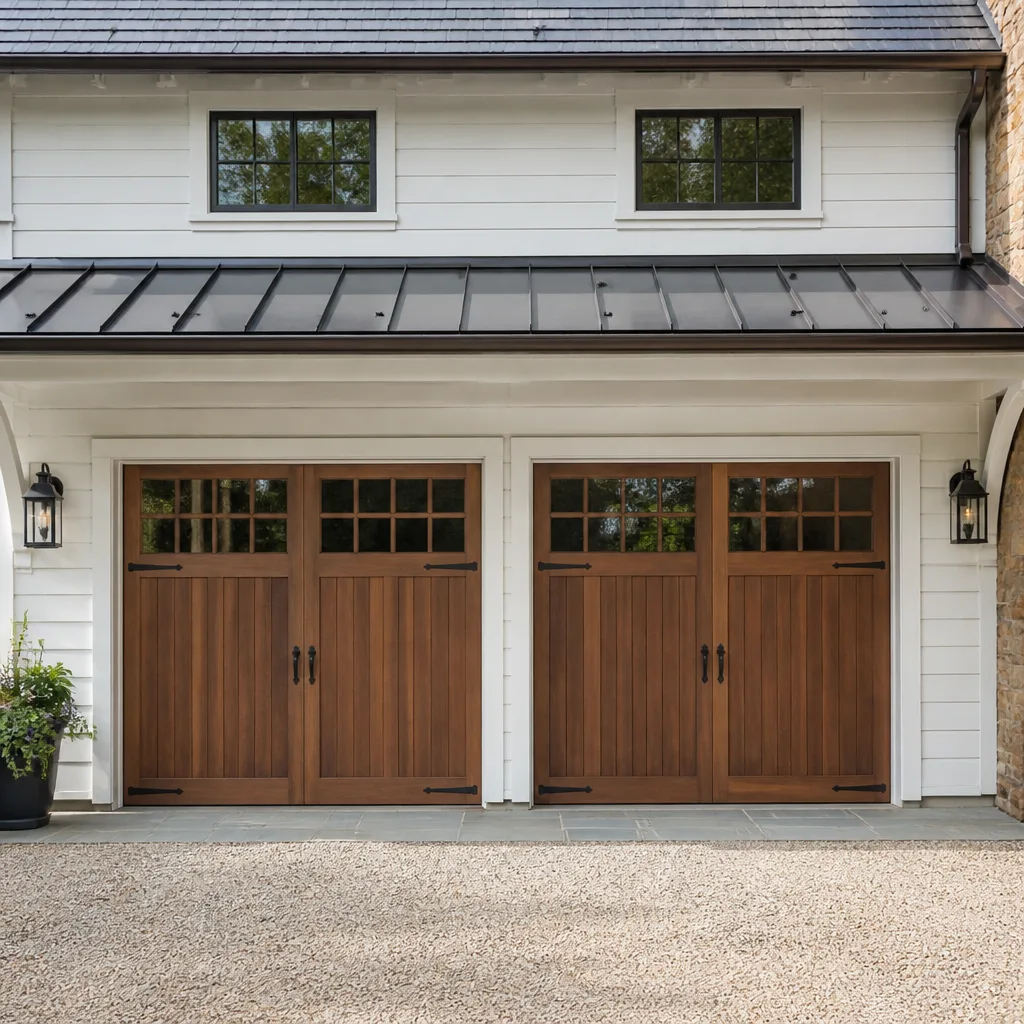 Carriage house
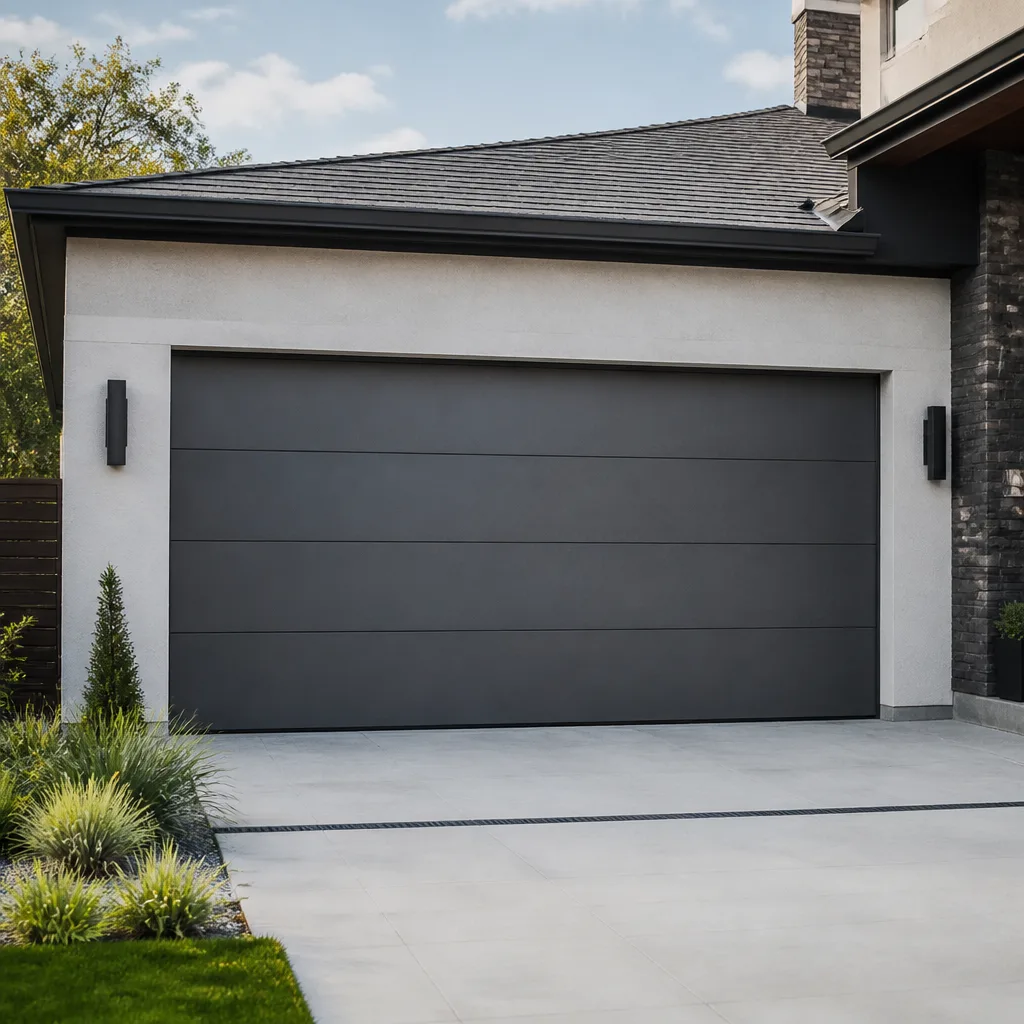 Modern flush
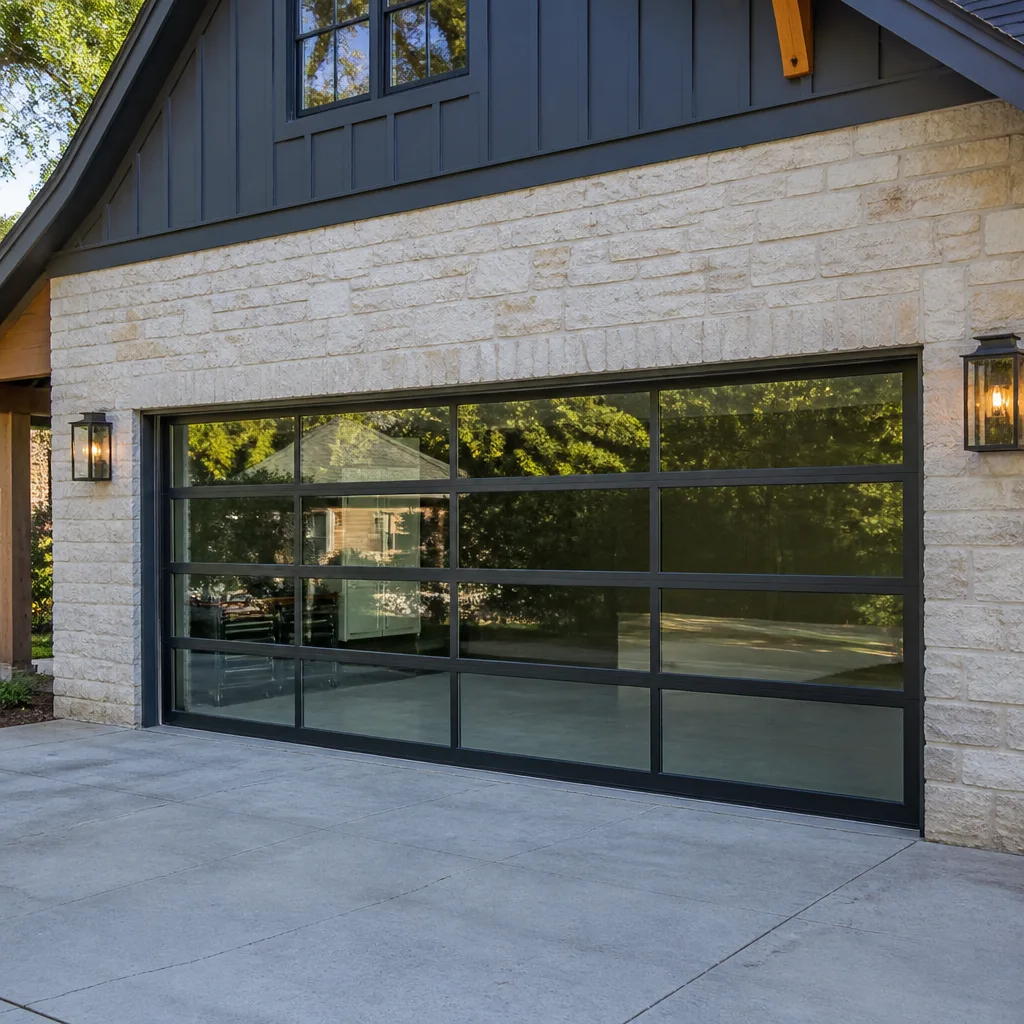 Full-view glass
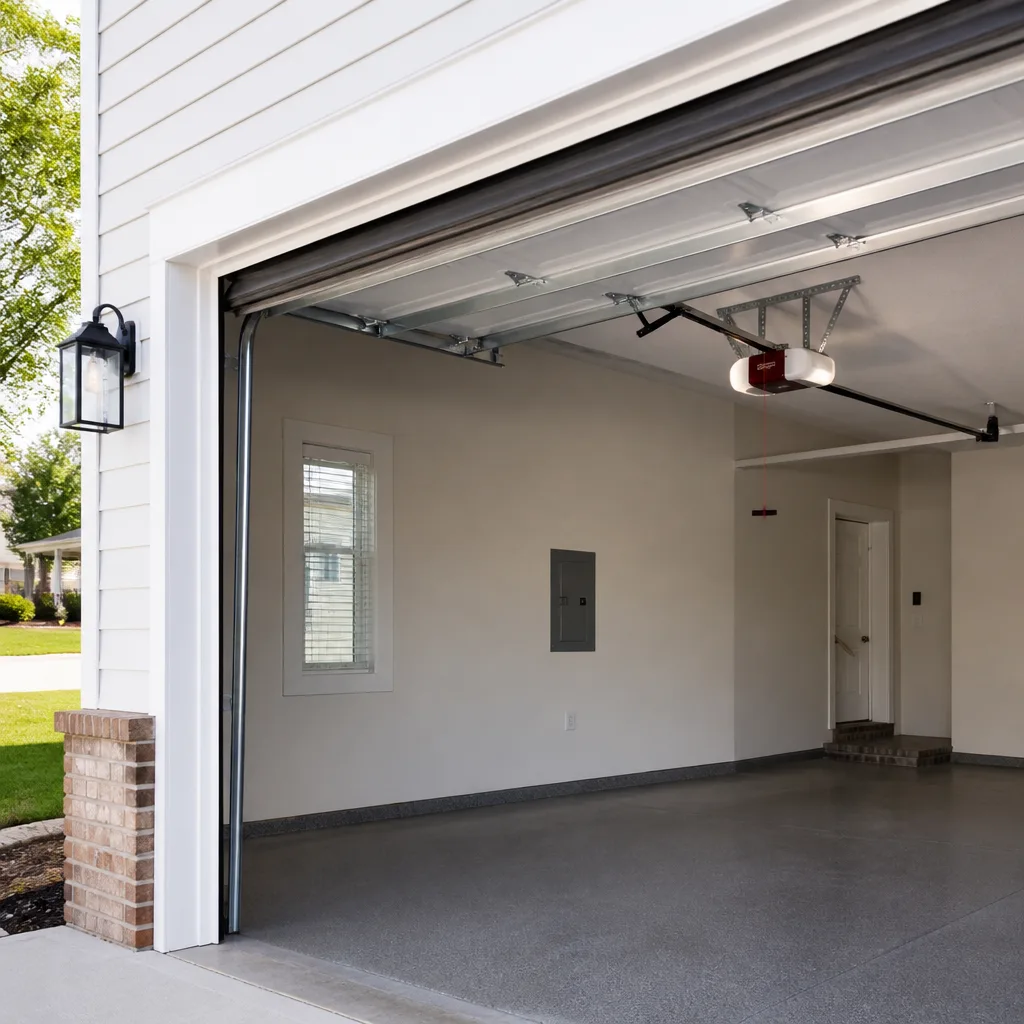 LiftMaster openers
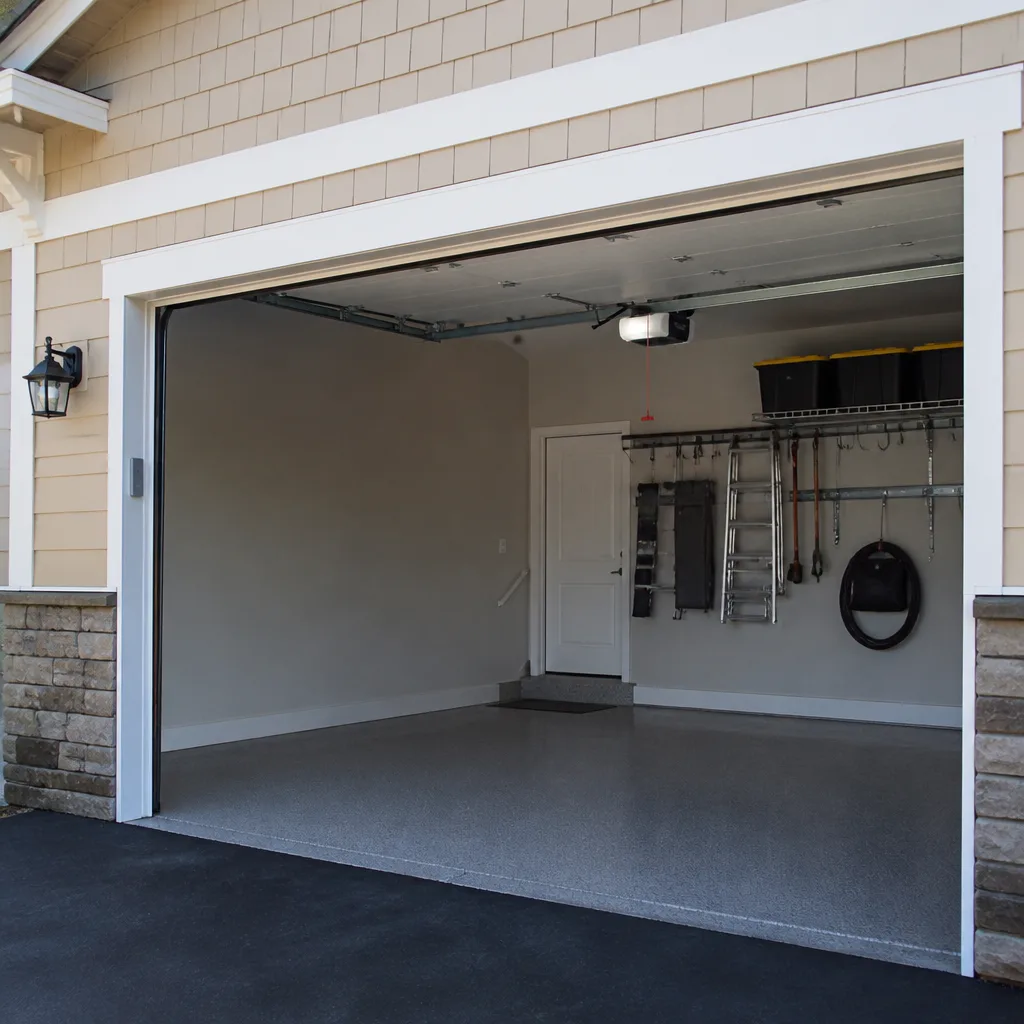 Chamberlain openers
Full 25-point door and opener safety check with every visit - springs, cables, rollers, tracks, and your LiftMaster or Chamberlain opener included
You get a price before we start. It does not change when the pro arrives.
Get your free estimateThe Complete Guide to Garage Doors in Brick Township
Most homeowners find out their garage door was the wrong choice for Ocean County only after the bottom panel is rusted through or the spring snapped two winters early. By then they’ve paid for the door once and are paying for it again. That’s the pattern we see most often in Brick Township: a door bought on looks and price alone, installed without any thought to how it will handle the wet winters and humid summers here. This guide covers what actually holds up at the Shore, how to read a spec sheet instead of guessing, what the local rules require, and how to tell a repair from a replacement before you spend a dime.
Quick Answer
Before the details, here’s the short version. A garage door on the Jersey Shore needs a hot-dip galvanized or factory powder-coated steel skin, stainless or coated hinges and rollers, and a cycle rating that matches how often you actually open it. For homeowners near the water in Brick Township, corrosion resistance matters as much as insulation value. Repairs can usually be scheduled within days, while a full replacement involves measuring, ordering, and permitting, so plan on weeks rather than hours. In every case, the written estimate sets the price before any work starts.
Styles & brands we work with
- Raised-panel steel
- Carriage house
- Modern flush
- Full-view glass
- LiftMaster openers
- Chamberlain openers
Table of Contents
- Why Salt Air and Freeze-Thaw Wear Out Doors Here
- Choosing a Door Material for the Ocean County Climate
- Wind Load, Panel Thickness, and What Brick Township Requires
- How to Read a Garage Door Spec Sheet
- Matching an Opener to Your Door and Your Brand
- Permits, Inspections, and What You Can Skip
- Repair or Replace: A Decision Guide
- Common Mistakes to Avoid
- When to Call a Professional
Why Salt Air and Freeze-Thaw Wear Out Doors Here
Brick Township sits close enough to the ocean that the air carries salt, and salt is patient. It doesn’t wreck a door in a month. It works on the fasteners, the hinges, the bottom bracket, and the thin edges of the panels first, and by the time the rust shows on the outside, the hardware behind it has been degrading for a couple of seasons. That’s why a door that looks fine from the driveway can have a hinge that’s seized solid when a technician goes to inspect it.
The other local stressor is the freeze-thaw cycle. Water collects in the seams at the bottom of a panel, freezes overnight, expands, and works the metal and the finish loose. Repeat that through several winters and you get bubbling paint, a bottom seal that no longer seals, and panels that flex a little more than they should.
Where the damage shows up first
- Bottom section seams and the bottom weather seal
- Hinge plates and roller stems, especially on steel hinges
- Fasteners on the bottom bracket and the flag bracket
- Torsion springs and cables, where surface rust becomes fatigue
- The paint edges at the panel joints, where bare metal is exposed
None of this means a door has to fail early. It means the choice of finish and hardware matters more in Brick Township than it does in an inland town. A door with a proper factory finish and stainless or zinc-coated hardware will outlast a cheaper door with the same look, and the difference isn’t visible in a driveway photo.
Choosing a Door Material for the Ocean County Climate
Three door types dominate the residential market here: flush steel, faux wood composite, and aluminum. Each performs differently in the local climate, and the right choice depends more on how the door will handle moisture and salt than on how it looks in a catalog. Here’s how we rank them for a Brick Township home.
1. Flush steel (best overall for most homes)
Steel is the workhorse here. It takes paint well, comes in insulated and non-insulated versions, and holds up well when the finish is intact. The key is the finish: a factory-applied hot-dip galvanized base with a baked-on topcoat resists salt far better than a primed-only door that gets painted on site. Steel also takes wind-load reinforcement more cleanly than composite, which matters if a door has to meet a specific design pressure.
2. Faux wood composite (best for look, good with maintenance)
Composite doors give you the wood-look finish without the wood rot. They handle humidity better than real wood and don’t need staining. The trade-off is that the surface is a coating, and once it chips, moisture can get under it. On a house near the water in Brick Township, plan on touching up chips quickly rather than letting them ride through a winter.
3. Aluminum (best for light weight and coastal hardware)
Aluminum won’t rust the way steel does, which makes it a natural fit for Shore properties. Full-view aluminum doors with glass panels are popular for their looks. The thing to know is that aluminum itself doesn’t rust, but the fasteners and hinges still can, so the hardware choice still matters. Aluminum dents more easily than steel too, so it’s a fit for garages that don’t see a lot of impact.
Wind Load, Panel Thickness, and What Brick Township Requires
Brick Township is a coastal town, and the building code that applies to doors here differs from what an inland New Jersey town enforces. Doors are rated for wind load, and a coastal home may be held to a higher design pressure than a home twenty miles inland. That rating drives panel thickness, the number of struts, and the type of reinforcement used.
What that means in practice
- Ask for the rated design pressure. The door you’re considering should be rated for the wind load that applies to your address, not a generic number from a brochure.
- Check the reinforcement. Wind-load rated doors use struts, heavier-gauge hinges, and sometimes a heavier track. Those parts are what hold the door in place when a storm pushes on it.
- Match tracks and hardware to the rating. A well-rated panel on light hardware is not a rated door.
We can’t tell you the exact design pressure your home needs without looking at it, and we won’t guess. The right move is to ask Brick Township’s building department what applies at your address, and to have the door spec’d to that number before you order. Getting this right the first time avoids the worst kind of surprise, which is a door that fails inspection after it’s already on the house.
How to Read a Garage Door Spec Sheet
Most people scan a spec sheet for R-value and stop there. R-value tells you how well a door resists heat flow, which matters for an attached garage. It tells you nothing about how the door will hold up to salt and moisture. Here’s what to look for beyond insulation.
Spec sheet items that actually matter here
- Base material finish: “hot-dip galvanized steel” or “factory powder-coated” beats “primed steel.” The finish is what resists salt.
- Hardware material: stainless steel or zinc-plated hinges and roller stems. Standard steel hardware is the weak point.
- Bottom seal material: a seal that resists UV and stays flexible in cold weather, rather than one that hardens and cracks in the first freeze.
- Cycle rating: measured in open-close cycles, higher is better, and it matters for a door that opens several times a day.
- Wind-load rating: the rated design pressure and the reinforcement used to hit it.
- Warranty terms: read what’s excluded. Corrosion and finish exclusions are common and worth knowing before you buy.
If a spec sheet doesn’t list these, ask. A door with a strong finish and coated hardware will look better in five years than a door with higher R-value and plain hardware. That’s a lesson we’ve learned from inspecting doors across Brick Township.
Matching an Opener to Your Door and Your Brand
An opener is not a universal part. It’s matched to the weight of the door, the type of spring system, and the safety features required for the door. A heavier insulated door on a light-duty opener is a recipe for premature wear, and the wrong spring or opener combination can leave a door unsafe. If your opener is failing, garage door opener repair addresses it directly rather than replacing the whole unit on instinct.
What to check before you buy or replace an opener
- Door weight. A heavy insulated door needs an opener rated for it, not the entry-level model.
- Spring type. A torsion system and an extension system behave differently under an opener, and the opener should be set up for the one you have.
- Brand and remote compatibility. If you already have a LiftMaster or Chamberlain remote and want to keep it, choose an opener in the same family rather than mixing.
- Safety features. A working safety reverse and force setting are the whole point of a modern opener. If yours is original to an older door, it’s worth having it checked.
We work on the brand you already own, which matters here. If your opener is a Raynor or a Genie and a technician tells you the only fix is a whole new system, get a second opinion. More often than not the fix is a part, and the brand shouldn’t dictate the answer.
Permits, Inspections, and What You Can Skip
Replacing a garage door usually requires a permit and an inspection. Repairing one usually does not. That single distinction answers most of the permit questions we get in Brick Township, but the details depend on your town’s building department, so it’s worth confirming before the work starts.
What typically triggers a permit
- A full door replacement, because it changes a rated component of the building envelope.
- Any change to the opening size, the header, or the framing.
- Work that has to meet a wind-load or design-pressure requirement.
What usually does not
- Spring replacement, cable replacement, roller, hinge, or track repair.
- Opener repair or replacement of the opener itself.
- Weather seal replacement and cosmetic hardware swaps.
None of that overrides your local building department’s rules, and it’s not our call to make for you. When in doubt, ask the department what applies at your address before you order a door. A quick phone call now beats a failed inspection later. For repair work that doesn’t trigger a permit, garage door repair can be scheduled as soon as you’re ready, and the price is agreed in writing before anything is touched.
Repair or Replace: A Decision Guide
This is the question homeowners in Brick Township ask most, usually right after a spring breaks or a panel gets damaged. The honest answer depends on the age of the door, the condition of the panels, and whether the failure is isolated or widespread. Here’s how to think it through.
Steps to decide
- Look at the panels first. One dented or rusted panel with clean, intact ones around it is usually a repair, not a replacement.
- Check the hardware underneath. If the hinges are seized, the rollers are flat-spotted, and the cables are frayed, the door may be near the end of its useful life.
- Consider the springs. One broken spring on an otherwise sound door is a straightforward repair. Repeated spring failures on a poorly balanced door can hint at a bigger alignment problem.
- Ask whether the door is safe. A door that won’t stay up, or drops quickly, needs attention regardless of appearance.
- Weigh replacement honestly. New door installation makes sense when the panels are failing across the board, the door is out of balance, and the finish is spent. It also makes sense when you want a better insulated or storm-rated door than the one you have.
Springs and cables are the dangerous part of this work. If a cable is frayed or a spring is visibly damaged, do not operate the door and do not try to work on it. Garage door spring repair is a job for trained technicians, full stop, because the stored energy in a wound spring can cause serious injury. We treat spring work as its own discipline and perform it in-house, not handed off to a subcontractor.
Common Mistakes to Avoid
- Buying on looks alone. A door that photographs well may have a finish that won’t survive a Shore winter. Check the base finish and hardware before you check the color.
- Ignoring the hardware. Homeowners focus on panels and forget the hinges, rollers, and fasteners, which are the parts that rust first and fail first in Brick Township.
- Assuming the door doesn’t need a permit. Replacement usually does, and a door spec’d for the wrong wind load can fail inspection after it’s installed.
- DIY-ing a spring. Springs are under high tension and can cause serious injury. This is the one part of garage door work you should always leave to a professional.
- Mismatching the opener to a heavier door. A new insulated door on an old light-duty opener will struggle from day one and wear out faster.
- Skipping the balance check. A door that’s out of balance puts strain on the opener and the springs, and the symptom often shows up as a premature failure.
- Putting off a failing bottom seal. A worn seal lets water in at the bottom of the door, which is exactly where the freeze-thaw cycle does its damage.
When to Call a Professional
Call a professional when a spring or cable breaks, when the door won’t stay up, when the opener reverses on its own, or when a panel or track is damaged enough to affect how the door moves. Those aren’t cosmetic problems, and the consequences of getting them wrong range from an unsafe door to an injury. Call a professional before a full replacement too, because the door needs to be measured, spec’d for the wind load at your address, and ordered. Brick Garage Door Repair offers free estimates in Brick Township. Call (877) 792-6059. We answer 24/7. Fast dispatch from 7am to 7pm, Sunday through Friday. Every price is agreed in writing before any work starts, so the estimate you approve is the number you’ll see.
See the difference
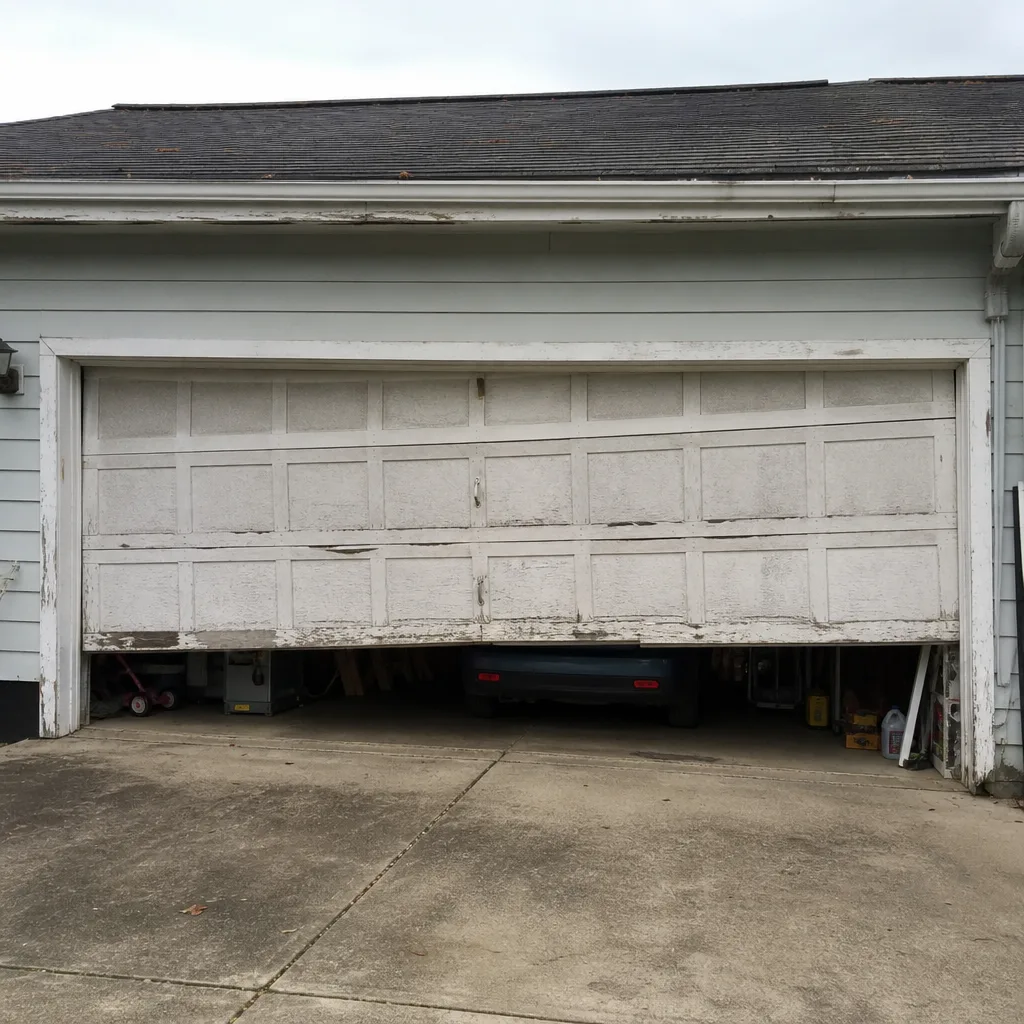 Before
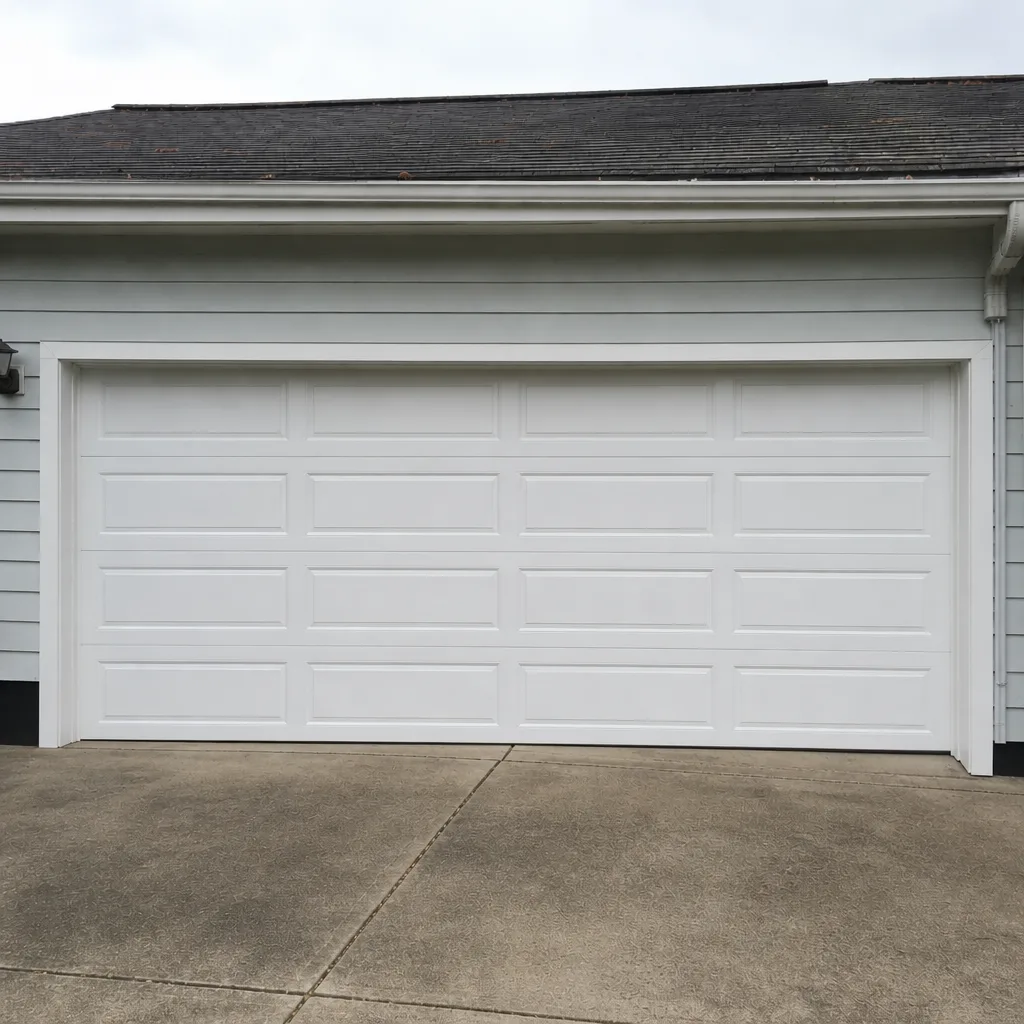 After
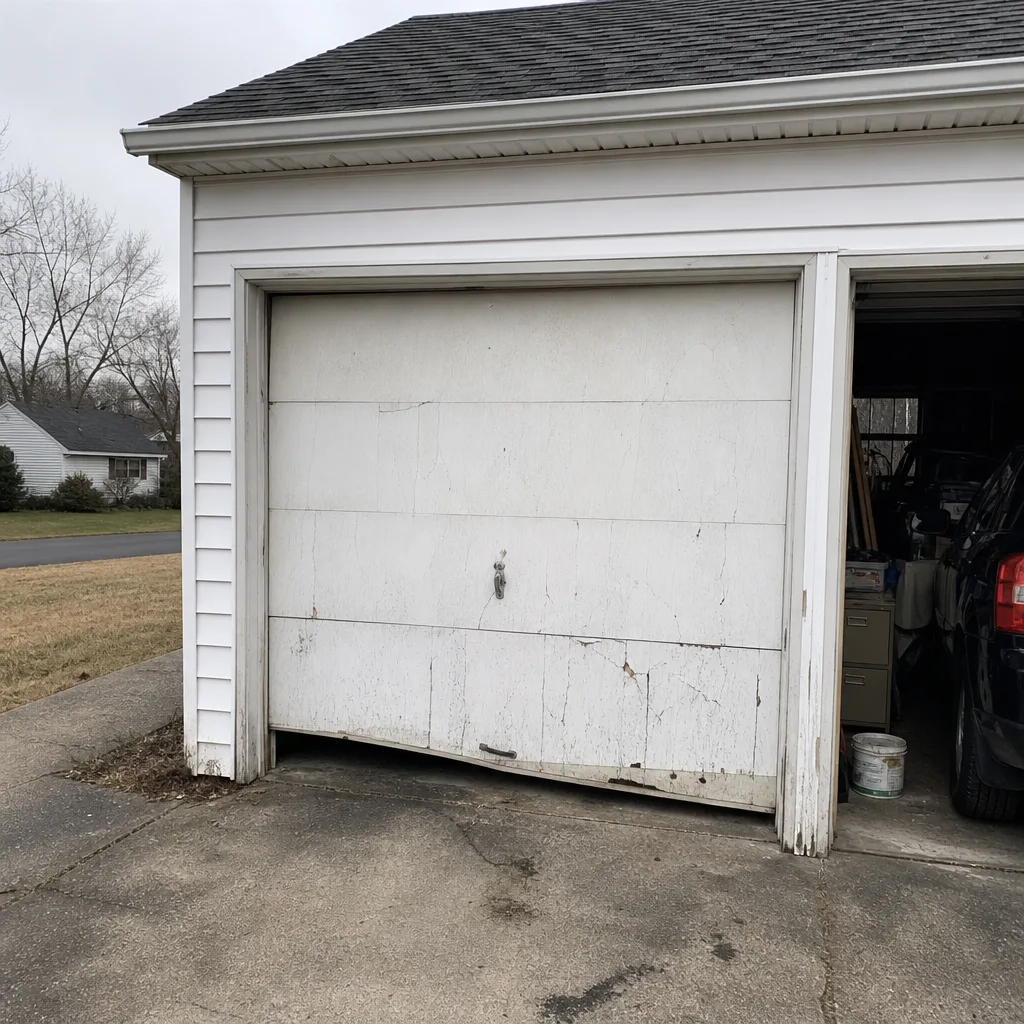 Before
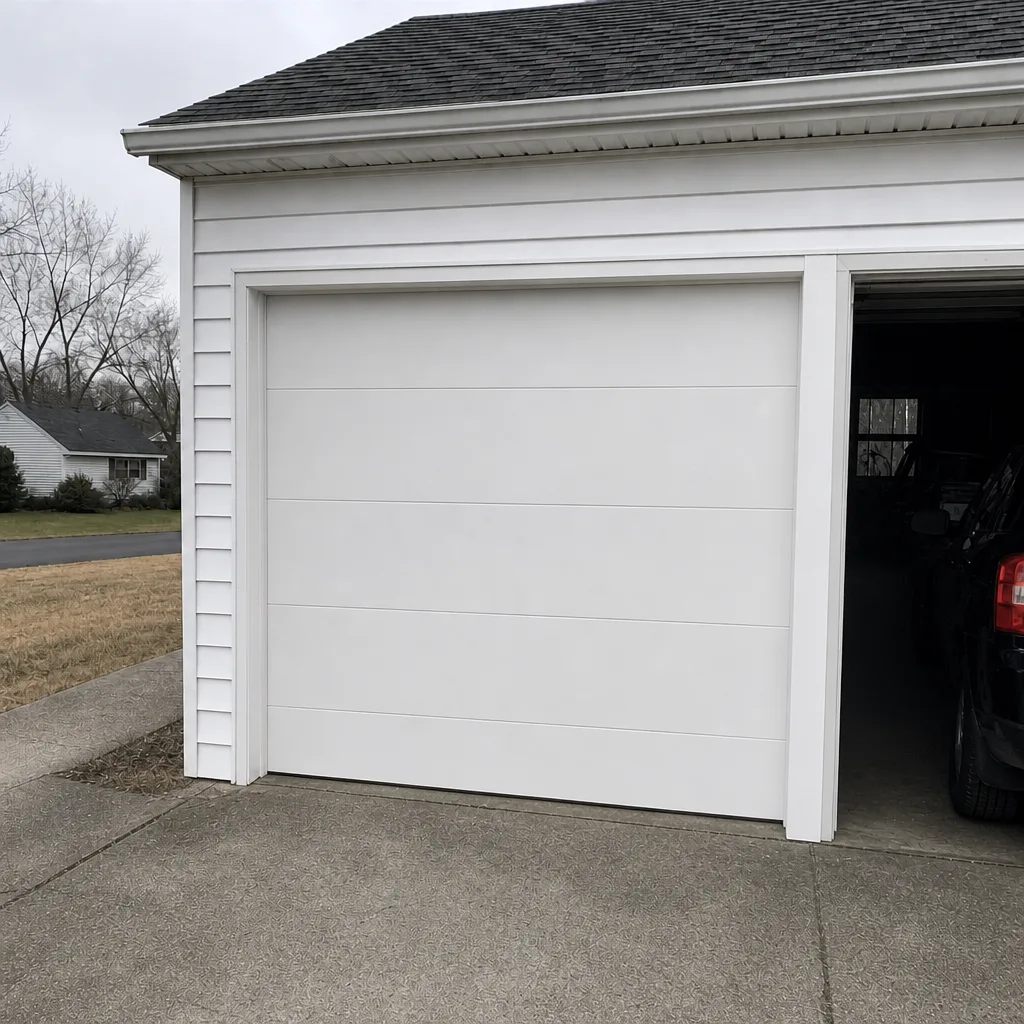 After
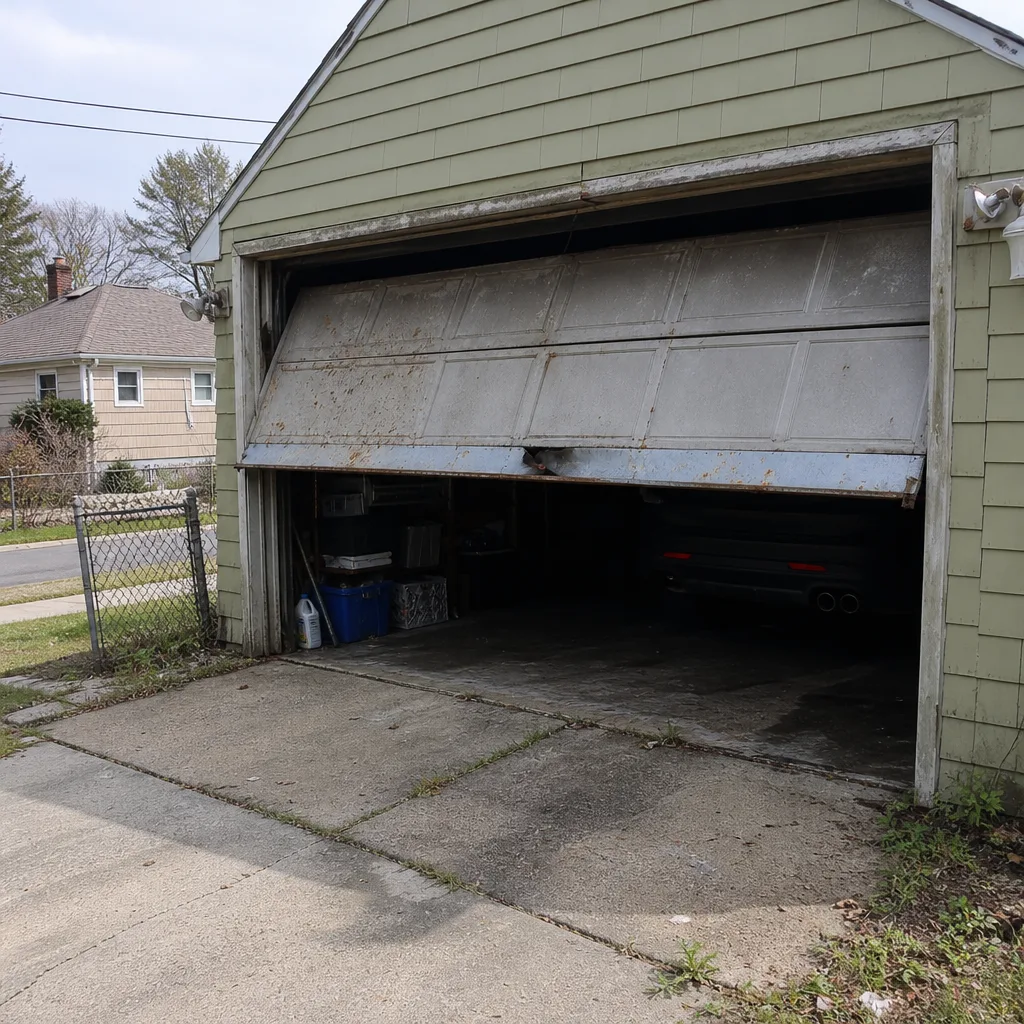 Before
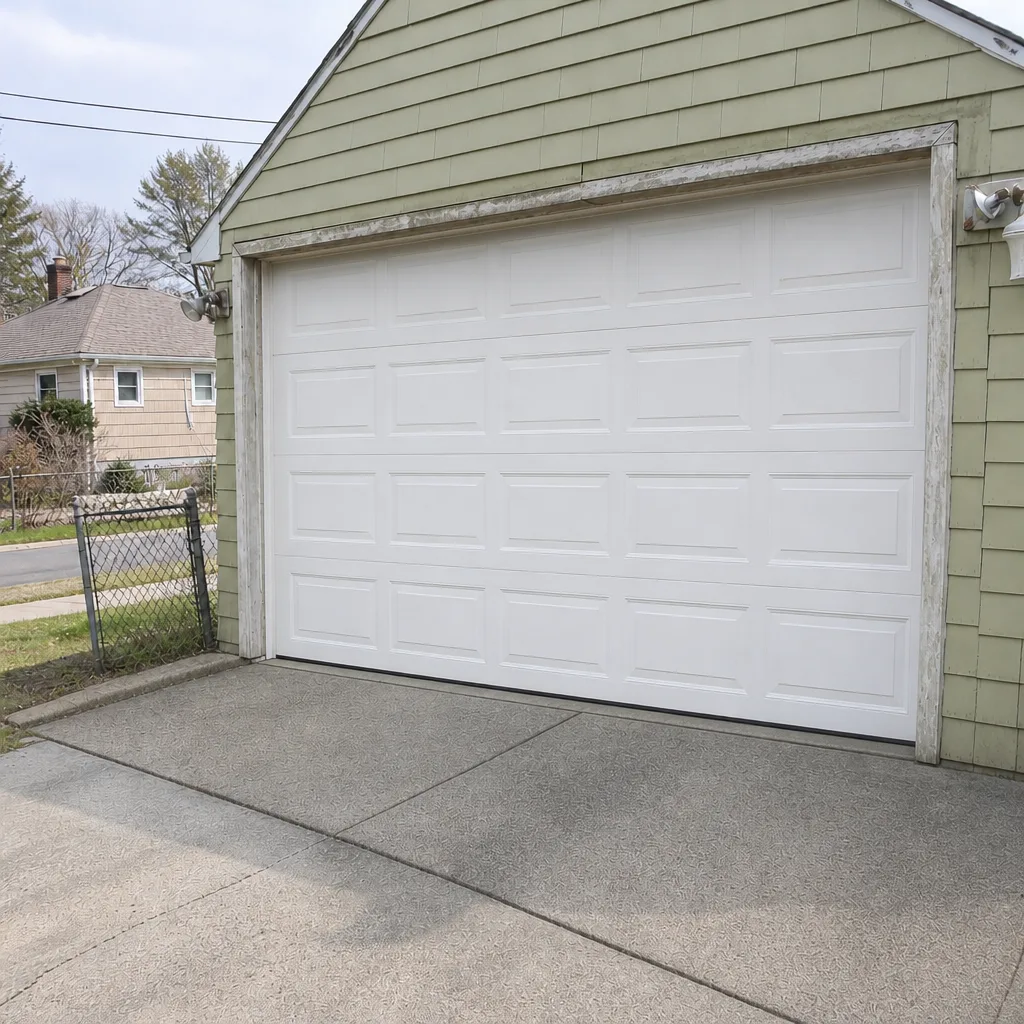 After
Frequently Asked Questions
Cost depends on the size of the opening, the material, the insulation value, and the wind-load rating the door has to meet. A basic steel door and a high-end insulated faux wood door sit at very different price points, and the hardware and labor matter too. Because every job is different, we won’t quote a number here that won’t hold. The written estimate sets the price before any work starts, whatever the door. Call (877) 792-6059 for a free estimate.
Same-day repair is often possible for springs, cables, openers, and hardware, because those jobs start with a diagnosis and a part. We answer 24/7 and dispatch from 7am to 7pm, Sunday through Friday. A call outside dispatch hours is booked into the next opening. Call (877) 792-6059 and we’ll tell you what we can do for your door.
Usually yes, for a full replacement, and usually no for a repair. Replacement changes a rated part of the building envelope, and a coastal town may hold the door to a specific wind-load requirement, which is why the permit and inspection matter. Repair work like spring replacement or opener repair typically doesn’t trigger a permit. Ask Brick Township’s building department what applies at your address before you order. For repair work, call (877) 792-6059 for a free estimate.
No. The written estimate is the price. We look at the door, diagnose the problem, and agree on the price with you before any work starts, so there’s no surprise invoice when the job is done. If we find something extra during the repair, we’ll talk to you about it before doing anything else. Call (877) 792-6059 for a free estimate.
Yes. The local professionals we connect you with are licensed and insured as their state requires, and the technicians are experienced across the major door and opener brands. Our technicians have up to 8 years of experience with systems from LiftMaster, Chamberlain, Genie, Clopay, Amarr, Wayne Dalton, Craftsman, and Raynor. Call (877) 792-6059 with any questions before booking.
Repair if the damage is isolated to one panel or one part and the rest of the door is sound; replace if the panels are failing across the board, the finish is spent, or the door is out of balance and unsafe. The climate here tips the scale toward replacement when corrosion has reached the hardware behind the panels, because that damage spreads. A free estimate will tell you what’s actually happening with your door. Call (877) 792-6059.
The Bottom Line
A garage door here isn’t a cosmetic purchase. It’s a piece of hardware that has to hold up to salt air, freeze-thaw, and the wind-load rules that come with a coastal town. Buy on finish and hardware, not just R-value. Confirm the wind-load rating that applies at your address with Brick Township’s building department before you order. Get a permit for a replacement and skip it for a repair. And when a spring, cable, or opener fails, call a professional rather than risk the repair. Brick Garage Door Repair handles the whole cycle, from a snapped spring to a brand-new door, on the brand you already own. Call (877) 792-6059 for a free estimate. We answer 24/7. Fast dispatch from 7am to 7pm, Sunday through Friday.
Written by the team at Brick Garage Door Repair.